
REVIEW · HISTORICAL TOURS
San Francisco: Castro District LGBTQ+ History Tour
One neighborhood tells decades of change. The Castro LGBTQ+ History Tour connects the dots between politics, community organizing, and public memorials in just 90 minutes, from the US military’s role in shaping the area to major landmarks like the Pink Triangle Memorial. I also liked having a guide who is a sixth generation San Francisco native, historian, and a POC queer organizer and activist who personally witnessed many events discussed. The one thing to plan for is the pacing, the sidewalks, and any street noise, since this is a walking tour in a real neighborhood.
If you want a straightforward way to understand the Castro beyond restaurant lines and photo stops, this tour is built for that. You’ll meet at Harvey Milk Plaza (next to SoulCycle, 400 Castro Street), walk a compact route, and learn how places connect to people and policy. My only caution: it’s English-only and runs 90 minutes, so if you love museum time, you may want to add extra time on your own afterward.
Key highlights worth showing up for
- A sixth generation San Francisco historian guide who is also a POC queer organizer and activist
- Pink Triangle Memorial and the story of gay prisoners under the Nazi regime (1933 to 1945)
- Hibernia Beach, also known as the Castro LGBTQ+ Memorial
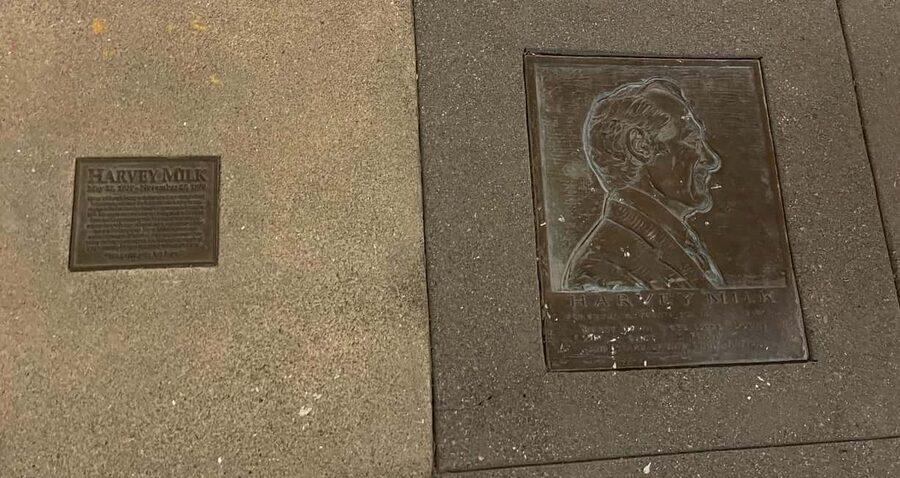
- Harvey Milk’s former camera shop, campaign headquarters, and residence
- White Night Riots legacy plus the landmark gay rights ordinance of 1979
- Wheelchair accessible and an easy-to-follow 90-minute format
Follow the rainbow flags into the Castro archive
Start at Harvey Milk Plaza, Then Let the Neighborhood Teach
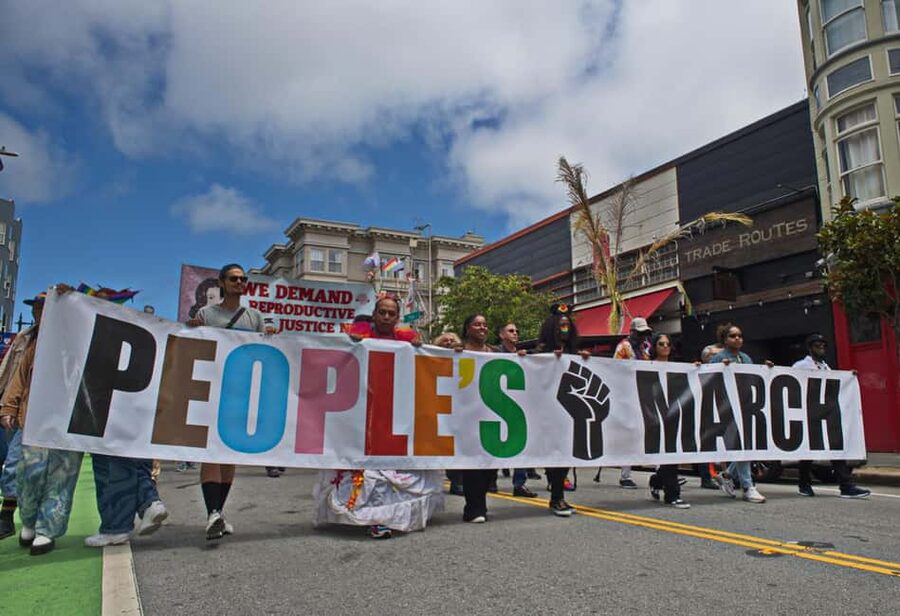
This tour starts where the Castro’s modern story keeps showing up in public life, Harvey Milk Plaza. You meet next to SoulCycle at 400 Castro Street, which makes it easy to find even if your directions app gets dramatic. Within minutes, the guide sets expectations: this is history you can walk to, not history locked behind glass.
What I really appreciated is the kind of guide you get. The person leading the walk, Eric, brings a mix of historian training and personal stake in queer organizing. As a sixth generation San Francisco native and historian who is also a POC queer organizer and activist, Eric doesn’t treat the story like a worksheet. He also personally witnessed many historical events covered, which changes the tone, you feel like you are hearing from someone who watched the timeline unfold rather than someone reading it off a slide.
The practical vibe matters too. This is a 90-minute walk, so you’ll want comfortable shoes and a willingness to move. On busier days, street setup and construction can affect sound, and Eric checks in so you can still hear the story. That small habit makes a big difference when you’re standing near active intersections.
The US Military Connection: Why People Kept Showing Up
A big part of the tour’s framing is how the US military helped form the conditions that shaped the Castro into the so-called gayest city on Earth. Rather than treating the Castro as a sudden miracle, the tour looks at how cities grow through migration, work, and communities seeking safety.
Here’s the useful takeaway for you: understanding the US military role gives you a lens for why certain neighborhoods took root when they did. It’s not about blaming or praising any one institution as a villain or hero. It’s about recognizing how local neighborhoods are built through large forces that push and pull people, then filtered through local activism and community life.
You’ll feel the story tighten as you head toward the memorial stops. The tour does a smart thing early, it gives you context first so the later names and dates land harder. By the time you reach the first major stop, you’re not just learning facts, you’re understanding why those facts belong on these particular sidewalks.
Pink Triangle Memorial: A Mourning Site With Real Historical Weight
The Pink Triangle Memorial is one of those stops that shifts your posture without you realizing it. You come in expecting a monument, and you leave understanding it as a specific, targeted reminder of persecution.
This memorial honors gay prisoners killed during the Nazi regime from 1933 to 1945, and it was the first memorial of its kind dedicated to that history. That first-of-its-kind detail matters. It’s not only remembering the victims, it’s also documenting a story that many people did not want to talk about openly at the time.
What you’ll gain here is a clearer sense of continuity. LGBTQ+ history in the Castro is often described as bold and joyful, but this stop reminds you the struggle included terror and state violence on an international scale. Seeing it in San Francisco is part of the lesson, how communities outside Europe still carried the memory forward and built public acknowledgment where it was needed.
A small practical note: bring your patience for a quiet moment. This isn’t a stop designed for a quick photo and a laugh. Give the guide a chance to set the scene, then listen to how the explanation connects the Nazi-era persecution to later queer activism.
Hibernia Beach, GLBT History Museum, and Jane Warner Plaza
The tour keeps moving through landmarks that each highlight a different kind of community memory: outdoor memorial, museum documentation, and the recognition of public service by queer leaders.
First, you’ll visit Hibernia Beach, also known as the Castro LGBTQ+ Memorial. Outdoor memorials are different from statues because they live with the weather, the passing crowds, and everyday life. That makes them good for learning how remembrance fits into daily public space, not just formal ceremonies.
Next comes the GLBT History Museum. Even if your time inside is brief, this stop is about grounding the neighborhood’s reputation in records and artifacts. It’s the part of the tour where you can connect names to materials, and where the story stops being only oral history. If you like understanding how history is preserved, you’ll appreciate this.
Then you’ll make your way to Jane Warner Plaza, named after the first openly lesbian police officer on the San Anselmo police force. This is a quieter kind of landmark, but it’s important. It tells you visibility is not only about politics and protest, it is also about institutions and day-to-day authority.
The best part of this segment is how the guide connects all three. You don’t just get one theme, you get multiple ways communities claim space and make it impossible to pretend queer lives didn’t exist.
One consideration: because you’re combining outdoor stops and an indoor museum stop, plan for a little variation in how long you’ll stand and listen. Dress for walking and for whatever microclimate the route serves up that day.
Open another chapter of San Francisco
Harvey Milk’s Camera Shop: Where Politics Got Personal
Then the tour shifts to one of the Castro’s best-known figures, Harvey Milk. You’ll visit his former camera shop, and you’ll also learn about it as campaign headquarters and his residence. That combination is powerful because it shows the blurred line between work, organizing, and living.
Here’s what I found valuable for your planning: this stop turns Milk from a legend into a lived place. A camera shop is not a government building, and it’s not a courthouse. It’s a neighborhood business. By pointing out that it also functioned as headquarters and home, the tour makes it clear that political change often comes from people who build community infrastructure, not only from officials making speeches.
Milk’s role in the Castro is often summarized quickly, but this tour gives you a way to understand how visibility becomes strategy. If you care about messaging, risk, and coalition-building, you’ll like how the guide frames the story around action, not just biography.
Also, if you’ve never visited the Castro before, this is a strong moment to get your bearings. After learning about memorial sites and institutions, you end up at a place that feels like it could still be humming with conversation. That shift helps the whole route click.
White Night Riots and the 1979 Gay Rights Ordinance: The Push and the Backlash
The tour ends by tackling the legacies of the White Night Riots and a landmark gay rights ordinance of 1979. These are not abstract topics. They show how legal progress can trigger backlash, and how communities respond when they see their rights threatened.
The value here is balance. The tour doesn’t treat activism like a straight line of wins. You learn how conflict shaped momentum, how grief and anger translated into community action, and why policy changes mattered so much. That makes the story feel more human, because the setbacks are part of the arc, not interruptions to it.
For you, this section is where history turns practical. When you know the fallout around the White Night Riots, the 1979 ordinance reads differently. It’s not just a date. It is a marker of what people fought for and what they were trying to protect.
If you’re a first-time visitor to San Francisco, this ending also helps you understand why the Castro is not only a cultural district. It is a political memory district too, with street names and memorials acting like public reminders that rights are maintained by work, not by wishful thinking.
Price and What You’re Really Paying For
At $39 per person for 90 minutes, this tour sits in the “good value” zone, mainly because you’re not just paying for walking. You’re paying for a local historian who is also a POC queer organizer and activist, plus personal eyewitness perspective on events discussed. That combination is hard to replace with a self-guided audio walk.
You’re also paying for structure. The stops are meaningful and varied: a memorial tied to Nazi persecution, an outdoor LGBTQ+ memorial, a history museum, a plaza named for a queer trailblazer in policing, and Harvey Milk’s camera shop site. The route is tight enough that you get multiple lenses on one neighborhood in a short time.
What’s not included is simple: gratuities. If you think you’ll want to tip, set aside a little cash when you go. That makes the whole experience feel smoother at the end.
The biggest “value check” question for you is this: do you want context with your sightseeing? If yes, the $39 price starts to make sense fast. If you prefer pure free-form wandering with no guided explanation, you might find the short duration limiting.
Should You Book This 90-Minute Castro LGBTQ+ History Tour?
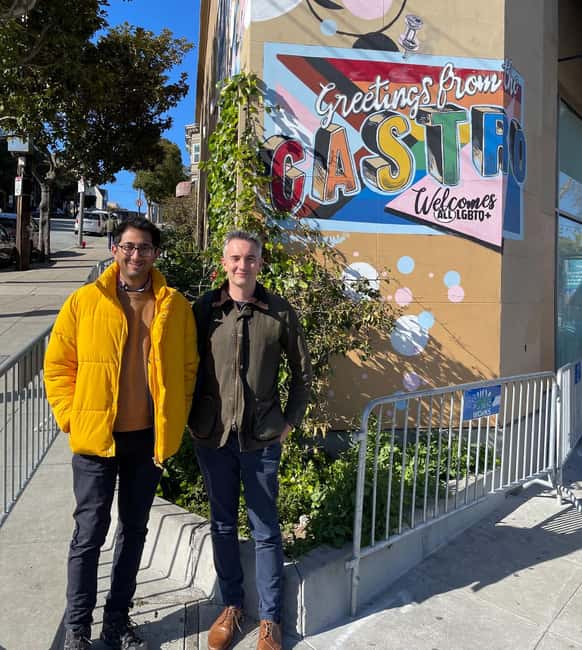
I think you should book this tour if you want the Castro to make sense quickly, especially if it’s your first or one of your first visits. The guide’s mix of historian background, activist perspective, and eyewitness experience gives you more than a list of famous names. You get a connected story: memorials, policy, public visibility, and the reality of backlash.
You should also book it if you care about how LGBTQ+ history is remembered in public space, not just in books. The route shows you how communities mark loss, document identity, and claim authority through institutions and public leadership.
Skip it or add your own pacing if you want a long museum visit or a very slow, quiet stroll. This is a focused 90-minute walk, and it works best when you’re ready to listen and move.
If you’re heading to the Castro anyway, this is one of the most efficient ways to understand why the district became what it is, and why that still matters.
FAQ
Where is the meeting point?
You’ll meet at Harvey Milk Plaza, next to SoulCycle, at 400 Castro Street.
How long is the tour?
The tour runs for 90 minutes.
What is the price?
The price is $39 per person.
Is the tour wheelchair accessible?
Yes, the tour is wheelchair accessible.
What language is the tour in?
The tour is in English.
What should I bring?
Wear comfortable shoes, since it is a walking tour.
What is included in the ticket price?
The ticket includes a guided tour with a local historian.
Is there free cancellation?
Yes. You can cancel up to 24 hours in advance for a full refund.
Can I reserve without paying today?
Yes. It offers reserve now and pay later, so you can book your spot and pay nothing today.
More Tours in San Francisco
- Big Bus SF: Hop-on Hop-off Tour with 17 Stops and Sunset Option★ 4.0 · 4,539 reviews
- Napa and Sonoma Wine Country Full-Day Tour from San Francisco★ 4.5 · 4,455 reviews
- San Francisco: Hop-On Hop-Off Sightseeing Tour with 17 Stops★ 4.5 · 3,600 reviews
- Yosemite Highlights & Giant Sequoias Day Tour from San Francisco★ 4.5 · 3,455 reviews
- San Francisco Love Tour★ 5.0 · 2,830 reviews
- San Francisco: Alcatraz Island & 48-Hour Hop-On Hop-Off Tour★ 4.6 · 2,245 reviews
More Tour Reviews in San Francisco
- Muir Woods and Sausalito (Return by Bus or Ferry)★ 4.5 · 5,098 reviews
- Big Bus SF: Hop-on Hop-off Tour with 17 Stops and Sunset Option★ 4.0 · 4,539 reviews
- Napa and Sonoma Wine Country Full-Day Tour from San Francisco★ 4.5 · 4,455 reviews
- Small Group Yosemite and Giant Sequoias Day Trip from San Francisco★ 5.0 · 3,671 reviews
- San Francisco: Golden Gate Bay Cruise★ 4.7 · 3,644 reviews
- San Francisco: Hop-On Hop-Off Sightseeing Tour with 17 Stops★ 4.5 · 3,600 reviews
The Castro’s Living History
- San Francisco LGBTQ Walking Tour with Local Guide★ 5.0 · 600 reviews
- San Francisco Urban Hike: Castro and Twin Peaks★ 5.0 · 71 reviews
- San Francisco Castro Mission Loop Tour★ 5.0 · 12 reviews
- Castro District LGBTQ+ Historic Tour★ 5.0 · 9 reviews
- San Francisco : Mission and Castro districts tour in French★ 4.6 · 6 reviews
- Castro District LGBTQ+ History Tour★ 5.0 · 5 reviews
Fresh arrivals for a San Francisco itinerary
- San Francisco: Tour De San Francisco (Electric Bike Tour)
★ 4.7 · 3 reviews - Private Exploration of the Birds of San Francisco
★ 5.0 · 4 reviews - Zion, Bryce, Antelope, Grand Canyon, Las Vegas 6-Day Tour from SF
★ 5.0 · 3 reviews - Private Tour of Yosemite a Two Day Exploration
★ 5.0 · 4 reviews - The Presidio: Main Post to the Golden Gate Bridge
★ 5.0 · 3 reviews - Alcatraz Island Tour with San Francisco Bay Tour
★ 3.5 · 4 reviews
More ways into Historical Tours
 ★ 5.0Chinatown & North BeachLittle Italy: 7 Tastings & HistoryFrom $961,070 reviews
 ★ 5.0North Beach & Little Italy Walking Tour: Food, History & FlavorFrom $861,044 reviews
 ★ 5.0Chinatown Walking Tour: Food, History & FlavorFrom $86575 reviews
 ★ 5.0San Francisco Whiskey Cocktail Class: Views and City HistoryFrom $69206 reviews
 ★ 4.5Chinatown Food & History Walking Tour – Small GroupFrom $8536 reviews
 ★ 4.9Chinatown Food and History Walking TourFrom $8527 reviews
 ★ 4.5North Beach Food & History Walking Tour – Small GroupFrom $8925 reviews
 ★ 5.0Delicious Fun Food and History Tour of North Beach and Beyond!From $7922 reviews
Try another angle on the same itinerary