
REVIEW · HISTORICAL TOURS
Castro District LGBTQ+ History Tour
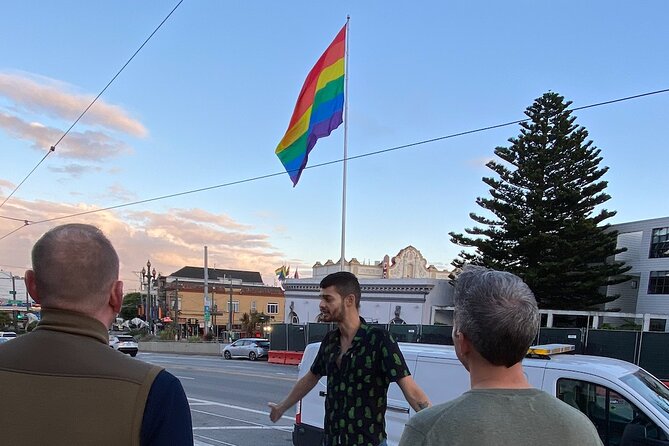
San Francisco can feel like a living timeline in the Castro. This 90-minute LGBTQ+ history walk connects Pride symbols and real activism sites, stop by stop, with a guide who keeps things clear and moving. I really love how the tour pairs major landmarks with human details, especially around Jose Sarria-era memorabilia, and I like the energy and pace guides bring, based on past guests who singled out Miguel and Eric for keeping the storytelling tight. The main consideration is that it is a walking tour, so you will want comfortable shoes and a willingness to move.
You will start at Harvey Milk Plaza at 3:00 pm and end near 18th Street and Castro Street, making it easy to roll into dinner afterward. The group stays small, up to 30 people, which helps the guide answer questions without turning the walk into a lecture. One drawback to keep in mind: there is a lot packed into 1.5 hours, so if you want lots of free time at each stop, you might feel a bit rushed.
Key points before you go
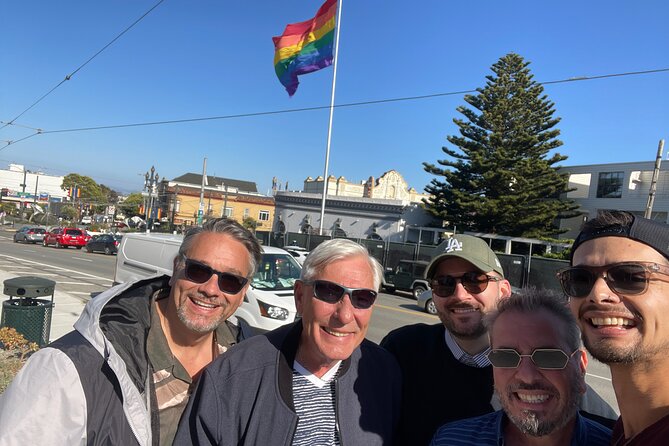
- Original rainbow flag and memorial elements: Pride and remembrance are both part of the story here.
- Harvey Milk Plaza and the White Night Riots link: You get a clear sense of how community gathering turned into real-world impact.
- Old-school gay bar history: You will hear why this bar’s early approach mattered, especially around visibility.
- Pioneering workplace moment: The tour highlights the first store in San Francisco to hire openly gay workers.
- 1920s theater architecture: It is not just politics, you also see how the Castro looked and why it mattered.
- Small-group, guided format: With a maximum of 30, guides can keep a nice pace and field questions.
Follow the rainbow flags into the Castro archive
What You Really Get in 90 Minutes
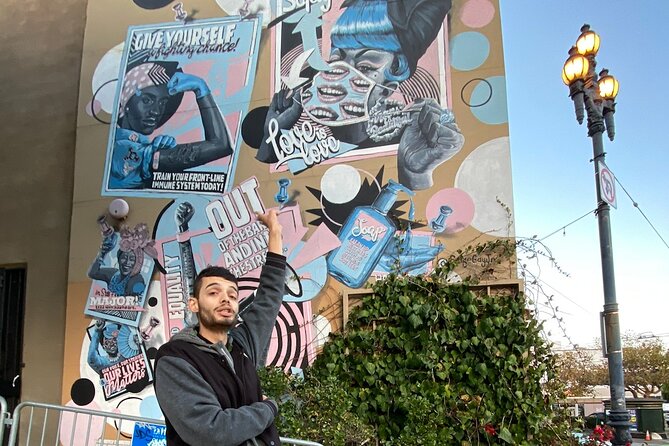
This is not a museum day. It is a guided walking tour that uses real addresses and street corners to explain why the Castro became a center for LGBTQ+ life and activism.
I like the format because the time feels practical. At about 1 hour 30 minutes, you get meaningful context without needing to block out half a day, and the ending point near 18th Street and Castro Street makes it simple to keep exploring on your own.
The price is $39 per person, which is reasonable for a guided, landmark-heavy route that includes multiple cultural sites. It also helps that the tour is capped at 30 people, so you are less likely to feel like you are part of a huge crowd shuffle.
Starting at Harvey Milk Plaza at 3:00 pm
You begin at Harvey Milk Plaza, right in the heart of the Castro. For first-time visitors, this is a smart move because it helps you get your bearings fast, and it sets a clear theme: community gathering, then consequences.
You also get an easy timing anchor. Starting at 3:00 pm means you can sleep in a bit, then do the tour before the evening when the neighborhood is often more active. It is also close to public transportation, so you do not have to plan a complicated route just to start.
The Rainbow Flag Stop, Where Pride Meets Remembrance
One of the strongest moments comes right at the beginning of the walk. You will visit a place described as home to the original rainbow flag, plus a piece of the HIV/AIDS Memorial Quilt, and Jose Sarria’s personal items.
That mix matters. Pride is not treated like a slogan here. It is paired with memory and with the lived reality of people who fought for visibility, safety, and recognition.
If you care about how communities build symbols, you will likely appreciate this stop most. It shows how something like a rainbow flag can sit side-by-side with remembrance objects, and how those threads become part of the Castro identity.
Jose Sarria Personal Items, Why This Feels Human
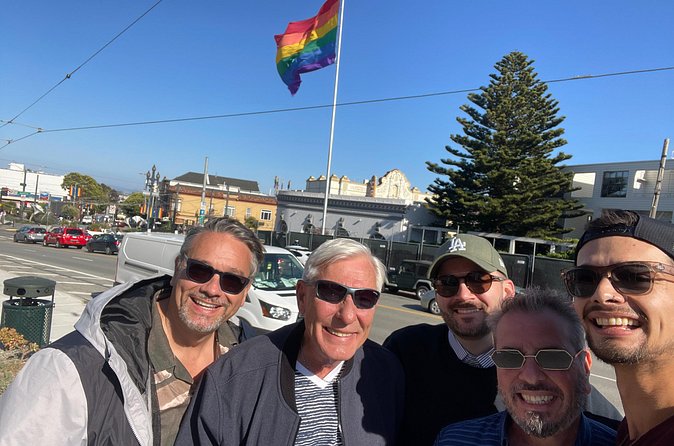
The tour does not keep everything at the level of headlines. By bringing Jose Sarria’s personal items into the story, it adds a personal scale to the facts and dates.
I think that is one reason this experience earns strong marks from past guests. People often want history that feels like it connects to real people, not just dates on a plaque. Here, the tour leans toward that approach, and it tends to leave you with more than a few place names.
It is also a good reminder for you if you think of the Castro only as a party neighborhood. The tour keeps pointing you back to leadership and presence, not just entertainment.
Open another chapter of San Francisco
From Gathering to Impact, the White Night Riots Connection
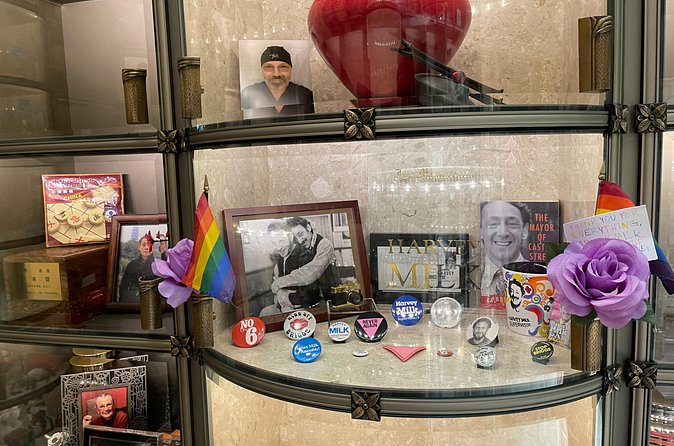
At Harvey Milk Plaza, the guide explains that this is the gathering place of the gay community that resulted in the White Night Riots.
I like how this framing avoids vague storytelling. Instead of treating protests as something abstract, it ties a specific location to a specific moment when community action had major consequences. That helps you understand why people fought for visibility and why the neighborhood’s story is not just celebratory.
You might find it especially useful if you want context before you read about later events or policies. This tour gives you a place-based starting point, so the rest of your learning has something concrete to attach to.
The Iconic Gay Bar Stop, Windows and Visibility
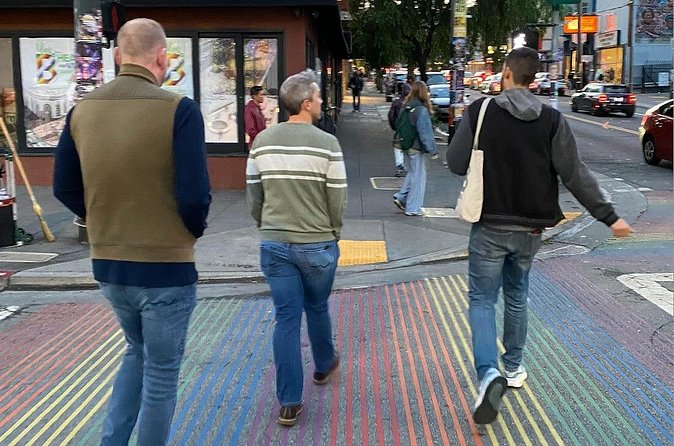
Another highlight is an iconic gay bar that has been in business for over 50 years. You will hear that when it opened, the bar did not block out its windows, which was described as customary for gay bars at the time.
This is a great example of how small design choices can carry big meaning. The story is really about visibility and comfort, not just about nightlife trivia. It also gives you a different lens for the Castro, where community life shaped what people could safely show to the street.
If you like your history with real details, this stop tends to land well. It helps you imagine what early LGBTQ+ visitors and residents had to navigate, and why progress often comes in steps.
The First Store to Hire Openly Gay Workers
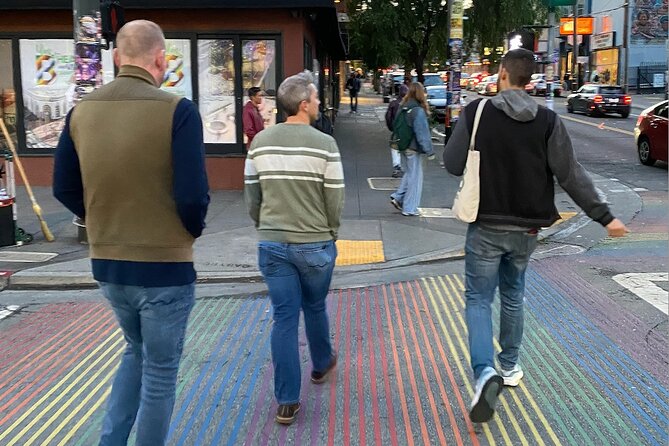
The tour includes a stop tied to the first store in San Francisco to hire openly gay workers.
I appreciate that this shifts the focus from public activism to everyday work life. Civil rights is not only marches and speeches, it is also jobs, paychecks, and whether employers will treat people as they are. Seeing it presented as part of the Castro story helps you understand how equality efforts reached into daily routines.
If you want a well-rounded look, this stop is one of the better balancing points. It keeps the tour from becoming only about symbolism by showing change in employment and community credibility.
The 1920s Palatial-Style Theater Stop
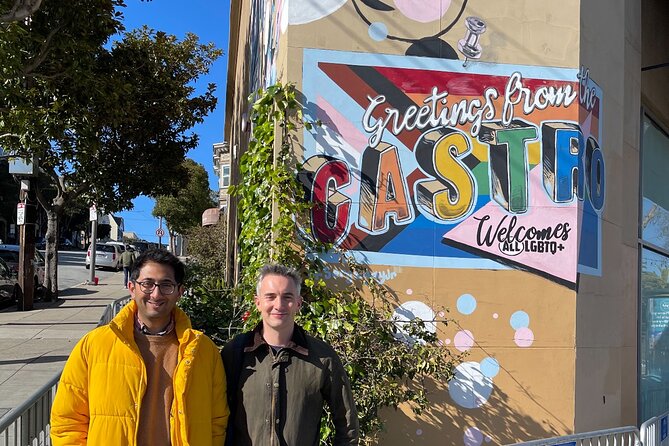
You will also see one of the last palatial-style theaters from the 1920s. This matters because neighborhoods are not only politics and people, they are also built spaces.
Architectural details can be easy to ignore while you are walking. But here, the guide’s job is to connect the theater style to why the Castro looked the way it did and how people used shared public venues. Even if you mostly care about LGBTQ+ history, this stop helps you read the neighborhood visually.
It is also a nice break from purely topic-heavy stops. A quick architecture moment gives your brain a rest, then the tour returns to the human story again.
The Guides Set the Tone, Miguel and Eric
The biggest praise in the provided reviews is about the guides. Guests specifically called out Miguel as delightful, with a nice pace that kept them fully engaged. They also noted that Eric was extremely passionate and that his delivery was strong, with many guests saying the stories they heard stayed with them.
That focus on pace and clarity is what you should watch for on the tour. In a group history walk, the guide can either race through stops or slow down just enough for you to absorb the connections. Based on the feedback, the guides here aim to hit a sweet spot.
If you are the type who likes to ask questions, you will likely enjoy this format. Past guests mentioned that their guides could answer questions concisely, and that is exactly what you want when you have limited time and a lot of ground to cover.
Value for $39, and Why Small Groups Help
For $39, you are paying for a guided walk that covers multiple iconic points tied to queer pride and LGBTQ+ history. This is not a long tour, but it is packed with standout stops that would be harder to piece together on your own without a tight narrative.
The small group size, up to 30 people, is a big part of the value. With a larger crowd, you would likely spend more time waiting and less time hearing the details. Here, the format is set up so the guide can keep things moving and still manage questions.
I also like that you get a mobile ticket. That is one less thing to fuss over while you are standing on a city corner.
Practical Tips So You Enjoy It More
A few small things can make this tour feel smoother.
Wear comfortable shoes. The Castro is walkable, but 90 minutes is still 90 minutes. If you get sore easily, plan ahead.
Bring your curiosity. This tour covers Pride symbols, memorial connection, and community landmarks. If you show interest, your guide will likely respond by sharpening the story around what you care about.
If you prefer public transit over rideshares, you are in luck. The start area is near public transportation, so getting to the meeting point is usually straightforward.
Also, keep an eye on timing. The tour starts at 3:00 pm, and the walk ends around 18th Street and Castro Street, so you can build a dinner plan right after without stress.
Should You Book This Castro LGBTQ+ History Tour?
Yes, you should consider booking if you want a focused LGBTQ+ history walk that covers both pride symbols and real activism-related locations in a short time.
I would especially recommend it if you value a guide who can keep a steady pace and explain the connections between places. The strong feedback about Miguel and Eric is a good signal that this is not a rushed, memorized script. It is a story-driven walk that helps you understand why the Castro matters.
Book it if you are visiting the Castro for the first time and want a meaningful way to see the neighborhood beyond nightlife. You will leave with names, places, and a sense of how community symbols, workplaces, and public gathering spots shaped one another.
FAQ
How long is the Castro District LGBTQ+ History Tour?
The tour lasts about 1 hour 30 minutes.
How much does it cost?
It costs $39.00 per person.
Where does the tour start and end?
It starts at Harvey Milk Plaza (San Francisco, CA 94114) and ends at 18th Street and Castro Street (18th St & Castro St, San Francisco, CA 94114).
What time does the tour begin?
The start time is 3:00 pm.
Is the tour offered in English, and do you need a paper ticket?
The tour is offered in English and uses a mobile ticket.
Is the tour flexible if I need to cancel?
Yes, you can cancel for a full refund if you cancel up to 24 hours in advance of the experience start time.
More Tours in San Francisco
- Big Bus SF: Hop-on Hop-off Tour with 17 Stops and Sunset Option★ 4.0 · 4,539 reviews
- Napa and Sonoma Wine Country Full-Day Tour from San Francisco★ 4.5 · 4,455 reviews
- San Francisco: Hop-On Hop-Off Sightseeing Tour with 17 Stops★ 4.5 · 3,600 reviews
- Yosemite Highlights & Giant Sequoias Day Tour from San Francisco★ 4.5 · 3,455 reviews
- San Francisco Love Tour★ 5.0 · 2,830 reviews
- San Francisco: Alcatraz Island & 48-Hour Hop-On Hop-Off Tour★ 4.6 · 2,245 reviews
More Tour Reviews in San Francisco
- Muir Woods and Sausalito (Return by Bus or Ferry)★ 4.5 · 5,098 reviews
- Big Bus SF: Hop-on Hop-off Tour with 17 Stops and Sunset Option★ 4.0 · 4,539 reviews
- Napa and Sonoma Wine Country Full-Day Tour from San Francisco★ 4.5 · 4,455 reviews
- Small Group Yosemite and Giant Sequoias Day Trip from San Francisco★ 5.0 · 3,671 reviews
- San Francisco: Golden Gate Bay Cruise★ 4.7 · 3,644 reviews
- San Francisco: Hop-On Hop-Off Sightseeing Tour with 17 Stops★ 4.5 · 3,600 reviews
The Castro’s Living History
- San Francisco LGBTQ Walking Tour with Local Guide★ 5.0 · 600 reviews
- San Francisco Urban Hike: Castro and Twin Peaks★ 5.0 · 71 reviews
- San Francisco Castro Mission Loop Tour★ 5.0 · 12 reviews
- San Francisco: Castro District LGBTQ+ History Tour★ 5.0 · 9 reviews
- Castro District LGBTQ+ Historic Tour★ 5.0 · 9 reviews
- San Francisco : Mission and Castro districts tour in French★ 4.6 · 6 reviews
Fresh arrivals for a San Francisco itinerary
- San Francisco: Tour De San Francisco (Electric Bike Tour)
★ 4.7 · 3 reviews - Private Exploration of the Birds of San Francisco
★ 5.0 · 4 reviews - Zion, Bryce, Antelope, Grand Canyon, Las Vegas 6-Day Tour from SF
★ 5.0 · 3 reviews - Private Tour of Yosemite a Two Day Exploration
★ 5.0 · 4 reviews - The Presidio: Main Post to the Golden Gate Bridge
★ 5.0 · 3 reviews - Alcatraz Island Tour with San Francisco Bay Tour
★ 3.5 · 4 reviews
More ways into Historical Tours
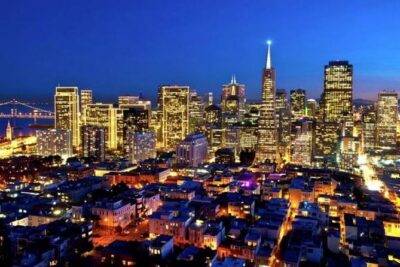 ★ 5.0Chinatown & North BeachLittle Italy: 7 Tastings & HistoryFrom $961,070 reviews
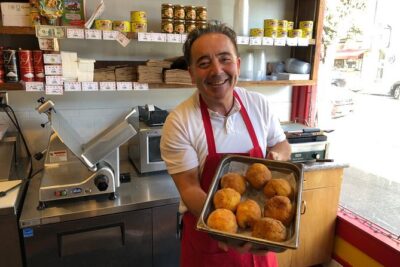 ★ 5.0North Beach & Little Italy Walking Tour: Food, History & FlavorFrom $861,044 reviews
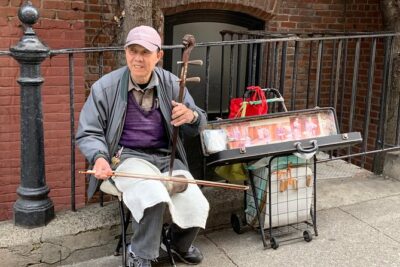 ★ 5.0Chinatown Walking Tour: Food, History & FlavorFrom $86575 reviews
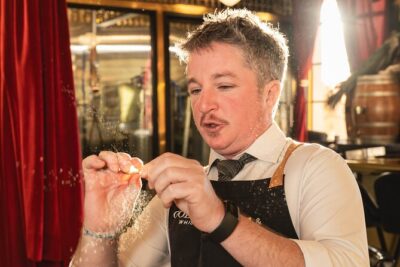 ★ 5.0San Francisco Whiskey Cocktail Class: Views and City HistoryFrom $69206 reviews
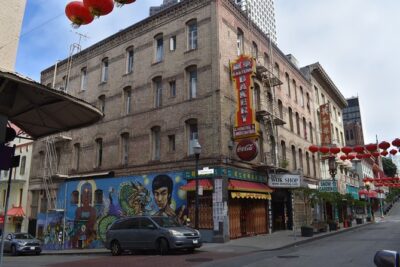 ★ 4.5Chinatown Food & History Walking Tour – Small GroupFrom $8536 reviews
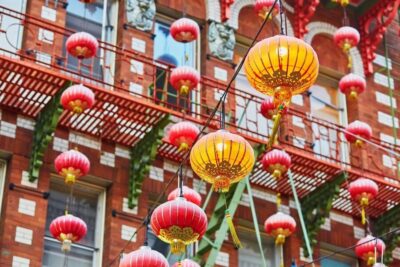 ★ 4.9Chinatown Food and History Walking TourFrom $8527 reviews
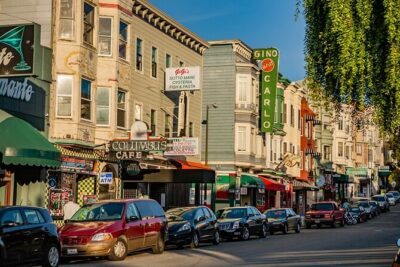 ★ 4.5North Beach Food & History Walking Tour – Small GroupFrom $8925 reviews
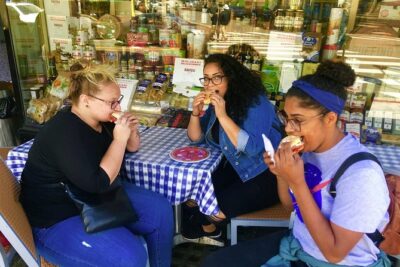 ★ 5.0Delicious Fun Food and History Tour of North Beach and Beyond!From $7922 reviews
Try another angle on the same itinerary