
REVIEW · CHINATOWN FOOD & HERITAGE WALKS
Chinatown Walking Tour: Food, History & Flavor
Food does the sightseeing fast in Chinatown. This 3 hour small-group walk (15 people or fewer) starts at the Dragon Gate and turns history into something you can taste: dim sum, BBQ pork buns, fortune cookies, and a tea tasting that explains what you are drinking. I love the intimate group size, which makes it easier to ask questions and wander off the main streets, and I love that you eat enough to feel like lunch, not snack time. One drawback to plan for is the walking, Chinatown has some hills, so wear grippy shoes.
You’ll follow a local guide through narrow blocks, busy storefronts, and quieter passageways. Expect commentary that links immigration, community life, and everyday traditions to what is on your plate, plus stops at places like the Golden Gate Fortune Cookie Factory and Chinatown markets.
The tour runs in English and uses a mobile ticket. It ends near Jackson St, and it is priced at $86 per person for a guided, food-filled morning or afternoon. One key note: the tour is not able to accommodate nut allergies.
Key Highlights You Will Actually Feel

- Dragon Gate start point sets the tone fast, right at the entry to the oldest Chinatown in North America
- Lunch-level tastings include dim sum, BBQ pork buns, fortune cookies, and tea
- Golden Gate Fortune Cookie Factory lets you see fresh fortune cookies made before tasting
- Stockton Street market time gives you a look at how locals shop for herbs, produce, and other staples
- Tea tasting with culture lessons at a family-run shop, with guides like Ryan Curtis and Andre known for making this part fun and memorable
- Hills matter even when the pace is manageable, so plan for some uphill stretches
Alleys, bakeries and the stories behind Grant Avenue

Dragon Gate to Jackson St: Walking Routes That Keep You Close to the Story
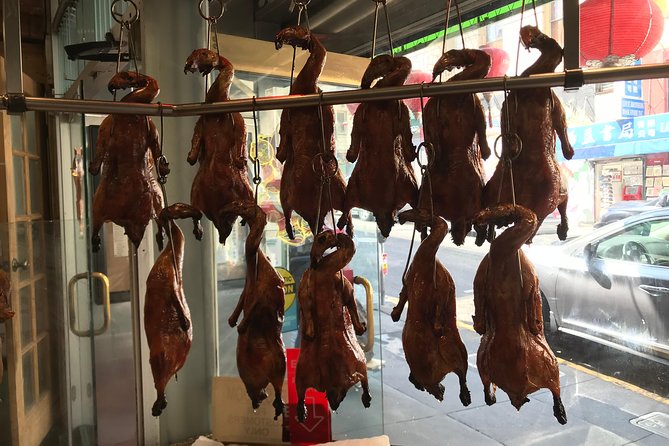
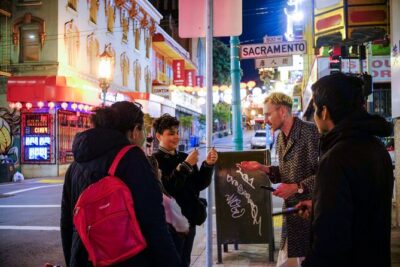
This tour begins at 400 Grant Ave, at the Dragon Gate, the famous entrance into San Francisco Chinatown. It is a smart start, because you get context before you wander, and you can actually visualize where people came in and out of the neighborhood.
The route is designed around short walking segments between food stops. That matters because Chinatown streets can feel like a maze when you are on your own. With a guide out front, you move through the “here is where we turn” parts with less stress, and you get explanations as you go.
You finish around 650 Jackson St, so you are not trapped in one area all day. If you want to keep exploring after, you are in a workable spot to head toward other neighborhoods on foot or by transit.
Group size helps too. When the tour is capped at 15 people or fewer, you get a less rushed feeling at tastings and more chances to ask questions without shouting over everyone.
Taste a Traditional Chinese Lunch, Not Random Samples
The core of the experience is simple: you walk, you stop, and you eat. The tastings add up to a full lunch, and the lineup typically includes dim sum, BBQ pork buns, fortune cookies, and other Chinese bakery and snack items, plus tea.
From what you might experience on a given day, some stops are known for dishes like Peking duck, dumplings, and other dim sum favorites. The exact mix can vary by what is working best at each location, but the goal stays the same: you leave full, not just “I had one bite at each place.”
Tea is part of that full-lunch feel. Tea tasting here is not just a sip and a goodbye. You learn about Chinese tea customs and flavor choices while tasting different varieties. If you like food, you will probably enjoy how this ties taste to tradition and everyday habits.
One more thing I appreciate: this is not just a food parade. The guide connects what you eat to why it shows up in Chinatown, whether that is a family bakery tradition, a restaurant-style dim sum culture, or the role of markets in daily life.
Fortune Cookies at the Golden Gate Factory: Watch, Then Taste
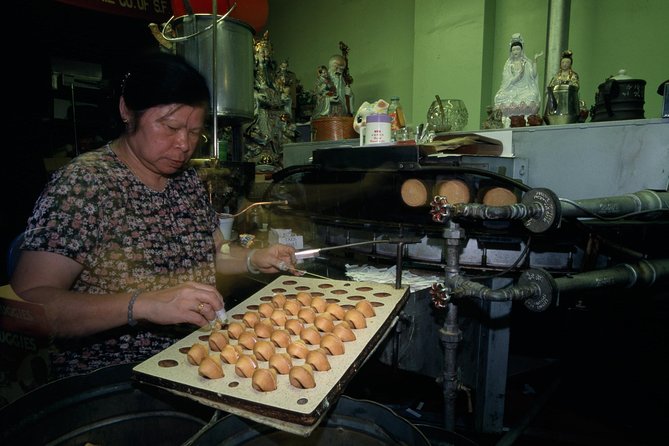
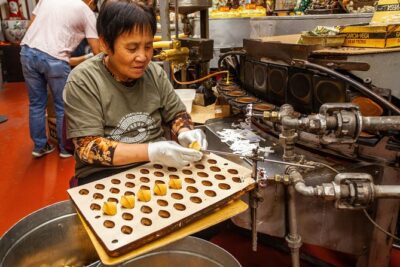
One of the most fun stops is the Golden Gate Fortune Cookie Factory. You get to see fresh fortune cookies made before you eat them, which turns a gimmick into something more satisfying.
Why it works on this tour: fortune cookies are easy to dismiss as a mass-market snack. On foot in Chinatown, with a guide setting the context, they become part of the neighborhood story. You also get a real break from eating to watch a process, which helps keep the whole day from feeling like nonstop chewing.
A practical note. The fortune cookie stop can be affected by how busy the factory is on the day you go. If you land during a rush, you might find there is less flexibility in timing than you want. It is not a deal-breaker, but it is worth keeping in mind so you do not build the day around that stop alone.
Stockton Street Markets: Herbs, Produce, and Everyday Shopping Vibes
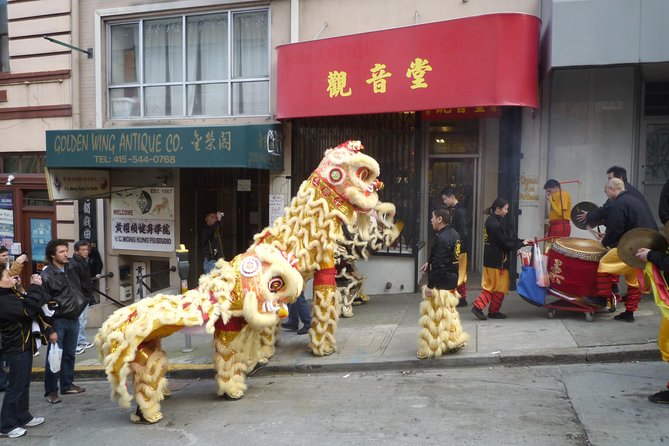
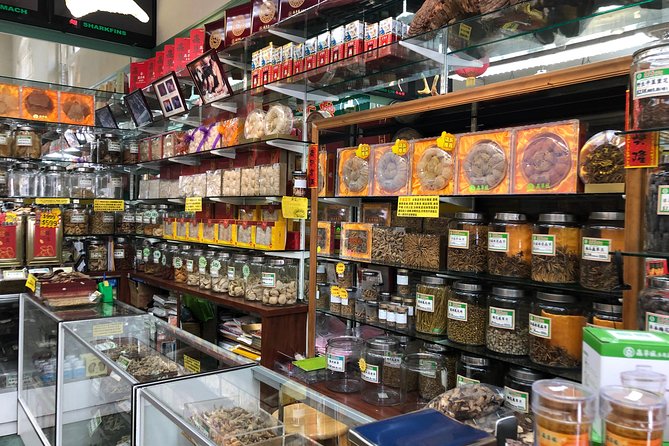
After the first wave of tastings, you shift gears toward the way locals shop. At Stockton Street markets, you browse specialty herbs, produce, and other groceries that make Chinatown feel real, not staged.
This is one of the best parts for people who like to understand food beyond the menu. When you see herbs and dried goods in person, it becomes easier to connect flavors to ingredients. Even if you do not buy anything, it is a useful way to learn what is common in the neighborhood kitchen.
This market time also helps you pace the walking. You get small moments to slow down, look closely, and notice details without feeling like you are sprinting to the next seat.
If you enjoy cooking or want to bring ingredients home, this is where you will get the most ideas for what to look for later. Just remember you are still in a guided flow, so keep purchases light enough that you can carry them comfortably.
Another route for hills, alleys and waterfront blocks

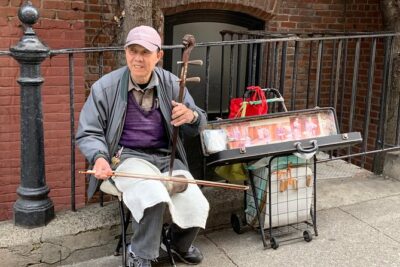
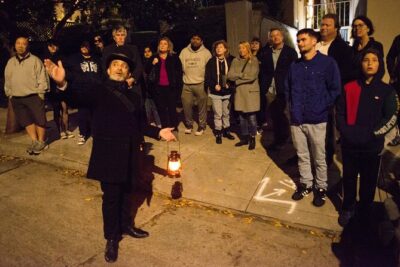
Tea Tasting at Vital Tea Leaf: Flavor Lessons You Can Reuse Later
Tea is one of the biggest reasons people love this tour. You stop at a family-run tea shop for a tasting that includes explanations of Chinese tea culture and how different teas taste.
What makes the stop effective is the conversation. A good guide will help you notice differences, like how the aroma hits before the sip, and how bitterness or sweetness can shift with the type of tea. You get a framework that helps you order more confidently later in the city, even if you are not buying the same products.
Also, this stop tends to be playful. On tours led by guides like Ryan Curtis, Andre, and Scott, the tea tasting has been described as memorable, partly because the host and the guide make it feel like a shared lesson instead of a lecture.
When you are there, pay attention to smell and aftertaste, and ask questions about what you are tasting. If the tasting includes multiple varieties, take a moment between sips so you can reset your palate.
Guides Make or Break It: Ryan, Andre, Scott, Isabella, and More
The guide is the engine of the tour. You are not just hearing trivia. You are hearing stories tied directly to street corners, food sources, and community history.
In particular, names that come up often include Ryan Curtis, Andre, Scott, and Isabella, plus other guides like Cynthia, Brian, and David. The common thread is how they mix history with food in a way that feels like street-level context rather than a lecture.
Some guides also bring extra angles, like horticulture details linked to the neighborhood and how certain plants show up in Chinatown life. That may sound niche, but it is exactly the kind of detail that makes walking tours feel worth it, because you notice more than you would alone.
You also get time for questions. That is one reason the small group size matters. When you can talk with the guide without waiting your turn forever, you get answers that fit your interests, whether you care more about food, architecture, or how Chinatown changed over time.
Pace, Hills, and Footwear: Plan for Real Walking Time
The tour runs about 3 hours. That is long enough to feel like you did something meaningful, but short enough that you are still fresh when you finish.
The walking itself is doable for most people, but Chinatown has hills and some blocks feel steeper than you expect. One person noted just one hill, while another warned that it can be very hilly. I would treat that as a heads-up, not a scare. If you are sensitive to stairs or steep slopes, plan to take it slow and wear shoes with grip.
A practical approach:
- Keep your route shoes on your feet with decent tread
- Bring a small water bottle, if you can do so comfortably with tastings
- Expect brief stops that give you a chance to reset
You will eat along the way, so you are not left starving, but the walk continues between tastings. If you have a mobility challenge, this is the part to think through before you book.
Price and Value: Why $86 Can Feel Like a Good Deal
At $86 per person, the tour is not a budget impulse buy. The value comes from what you get packed into three hours.
You are paying for:
- A guided walk that reduces guesswork in a dense neighborhood
- Multiple food tastings that add up to a full lunch
- Tea tasting that includes explanations you would not get from ordering off a menu
- A stop at a working fortune cookie factory where you see the process and get to sample
If you tried to replicate it on your own, it would take planning, reservations, and time. Here, the hard part is handled for you: you get a path with stops that fit the story and keep the pacing reasonable.
This is also the kind of experience where the guide can steer you. When you learn what to notice, you start tasting with more intention. That is where the price starts to make sense, not just because of the food, but because the food connects to place.
Should You Book This Chinatown Food, History & Flavor Tour?
If you want a guided Chinatown that feels like lunch plus context, this is an easy yes. It is a great fit for food lovers who also like stories, and it is especially good for first-time visitors who want to leave understanding what they just saw.
It may not be the best choice if:
- You only want a pure food tour with very little history
- You have nut allergies and need strict dietary accommodations, since the tour cannot accommodate nut allergies
- Hills are a major issue for you, since the neighborhood involves some steep walking
If you are a curious walker, and you like the idea of starting at the Dragon Gate, eating your way through dim sum and buns, and finishing with tea lessons you can use again later, book it. The small group size, the range of tastings, and the factory plus market stops make the experience feel more complete than a simple eat-and-go outing.
FAQ
How long is the Chinatown Walking Tour?
It runs about 3 hours.
Where does the tour start and end?
It starts at 400 Grant Ave, San Francisco, CA 94108, and ends at 650 Jackson St, San Francisco, CA 94133.
What is the group size?
The tour has a maximum of 15 travelers.
What language is the tour offered in?
The tour is offered in English.
What kind of food is included?
You get traditional Chinese lunch tastings, including dim sum, BBQ pork buns, fortune cookies, tea, and other Chinese treats.
Is a tea tasting included?
Yes, the tour includes a tea tasting.
Can you accommodate nut allergies?
No. The tour is not able to accommodate nut allergies.
Are service animals allowed?
Yes, service animals are allowed.
Can you cancel for a full refund?
Yes. You can cancel up to 24 hours in advance for a full refund.
Is the tour suitable for kids?
Youth or child registration requires an adult registration.
More Tours in San Francisco
- Big Bus SF: Hop-on Hop-off Tour with 17 Stops and Sunset Option★ 4.0 · 4,539 reviews
- Napa and Sonoma Wine Country Full-Day Tour from San Francisco★ 4.5 · 4,455 reviews
- San Francisco: Hop-On Hop-Off Sightseeing Tour with 17 Stops★ 4.5 · 3,600 reviews
- Yosemite Highlights & Giant Sequoias Day Tour from San Francisco★ 4.5 · 3,455 reviews
- San Francisco Love Tour★ 5.0 · 2,830 reviews
- San Francisco: Alcatraz Island & 48-Hour Hop-On Hop-Off Tour★ 4.6 · 2,245 reviews
More Tour Reviews in San Francisco
- Muir Woods and Sausalito (Return by Bus or Ferry)★ 4.5 · 5,098 reviews
- Big Bus SF: Hop-on Hop-off Tour with 17 Stops and Sunset Option★ 4.0 · 4,539 reviews
- Napa and Sonoma Wine Country Full-Day Tour from San Francisco★ 4.5 · 4,455 reviews
- Small Group Yosemite and Giant Sequoias Day Trip from San Francisco★ 5.0 · 3,671 reviews
- San Francisco: Golden Gate Bay Cruise★ 4.7 · 3,644 reviews
- San Francisco: Hop-On Hop-Off Sightseeing Tour with 17 Stops★ 4.5 · 3,600 reviews
Through Chinatown’s Alleys and Kitchens
- Chinatown & North BeachLittle Italy: 7 Tastings & History★ 5.0 · 1,070 reviews
- Ghost Hunt in SF Chinatown with a Professional Investigator★ 5.0 · 922 reviews
- San Francisco Chinatown Walking Tour★ 5.0 · 778 reviews
- San Francisco: Chinatown Culinary Walking Tour★ 4.8 · 265 reviews
- SF’s Chinatown: Tea & Dim Sum Food Tour – Includes full meal, 3hr★ 5.0 · 153 reviews
- San Francisco: Food Walking Tour of Chinatown & North Beach★ 4.8 · 148 reviews
Fresh arrivals for a San Francisco itinerary
- San Francisco: Tour De San Francisco (Electric Bike Tour)
★ 4.7 · 3 reviews - Private Exploration of the Birds of San Francisco
★ 5.0 · 4 reviews - Zion, Bryce, Antelope, Grand Canyon, Las Vegas 6-Day Tour from SF
★ 5.0 · 3 reviews - Private Tour of Yosemite a Two Day Exploration
★ 5.0 · 4 reviews - The Presidio: Main Post to the Golden Gate Bridge
★ 5.0 · 3 reviews - Alcatraz Island Tour with San Francisco Bay Tour
★ 3.5 · 4 reviews
More ways into Chinatown Food & Heritage Walks
 ★ 5.0Chinatown & North BeachLittle Italy: 7 Tastings & HistoryFrom $961,070 reviews
 ★ 5.0Ghost Hunt in SF Chinatown with a Professional InvestigatorFrom $55922 reviews
 ★ 5.0San Francisco Chinatown Walking TourFrom $59778 reviews
 ★ 4.8Chinatown Culinary Walking TourFrom $84265 reviews
 ★ 5.0SF’s Chinatown: Tea & Dim Sum Food Tour – Includes full meal, 3hrFrom $99153 reviews
 ★ 4.8Food Walking Tour of Chinatown & North BeachFrom $94148 reviews
 ★ 5.0San Francisco Chinatown Food TourFrom $99138 reviews
 ★ 5.0San Francisco North Beach & Chinatown Food Tour with 5 TastingsFrom $87137 reviews
Try another angle on the same itinerary