
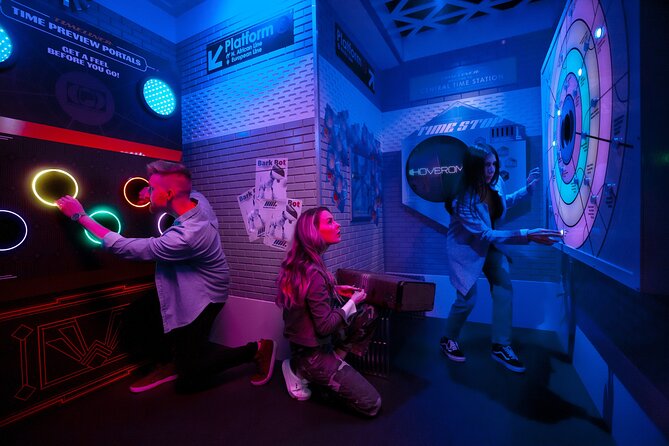
REVIEW · FISHERMAN'S WHARF, PIERS & FERRY BUILDING
The Escape Game San Francisco in Fisherman’s Wharf
An hour of thinking, not sightseeing. The Escape Game San Francisco at Fisherman’s Wharf turns the usual city stroll into hands-on puzzle teamwork. I love how you choose your mission, from a laid-back history twist to an Alcatraz escape scenario, and you still get clear help when you need it.
The big heads-up is that the experience can be a shared team unless your group books every spot for your game. That can change the vibe, so it helps to go in knowing you may end up collaborating with strangers.
Key things I’d plan around
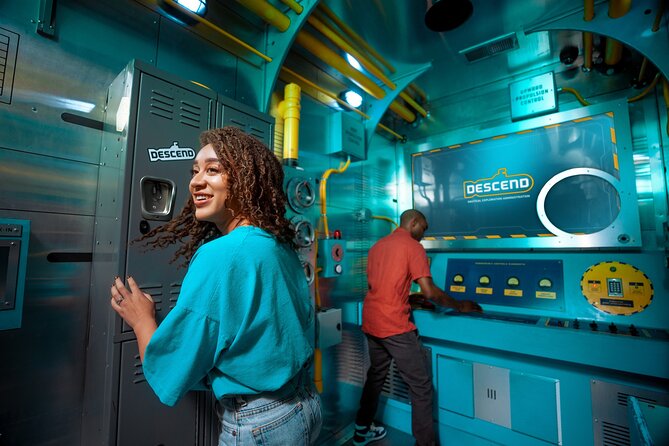
- Five mission options let you match the story to your group, from Gold Rush to Timeliner.
- A 60-minute mission happens inside the locked game space, with planning and wrap-up time around it.
- Live guidance matters, and the hosts often help you keep momentum without taking over.
- Small group size (max 8) helps, but your game might still include other players.
- You can leave the room using the exit button if you need a break.
Piers, sea lions and stalls along the northern waterfront




Where the games happen, and how the 75 minutes moves
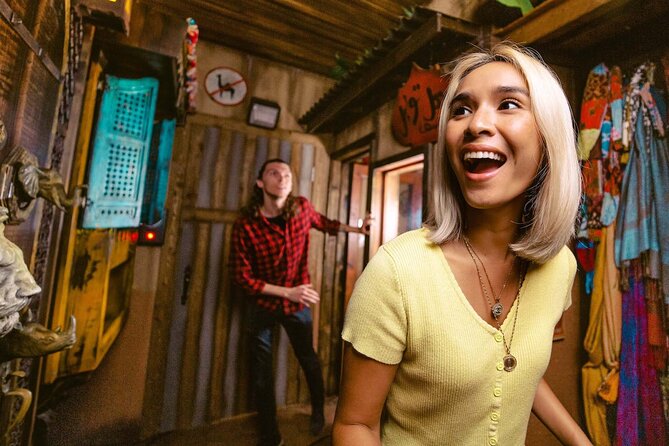
This is a straightforward, no-nonsense activity. You meet at 145 Jefferson St, Suite 500, San Francisco, CA 94133, then the staff gets your team ready for your mission. There is no hotel pick-up or drop-off, so build your day around arriving under your own steam.
The whole experience runs about 1 hour 15 minutes. You’ll typically get 15 minutes for pre-game briefing, 60 minutes inside for the mission, and 15 minutes afterward for debrief and photos. The timing matters because you’re not just doing puzzles, you’re also learning how to play together fast.
One practical detail I appreciate: even though you’re in a room with a locked door, there is an exit button on every door. If anyone needs to step out, you can do it. That small safety valve helps keep the experience stress-free, even when the puzzles get tricky.
Also note the group cap: the experience has a maximum of 8 travelers. That usually feels intimate. It also means the room can move quickly from one team to the next.
Choosing your mission at Fisherman’s Wharf: 5 themes, 5 vibes
You don’t “wander” through rooms here. You pick one of five game titles, and the story carries you through the puzzle sequence.
Here’s what each mission is likely to feel like, based on the game premise and the way these missions are described:
The Depths: uncover the lab’s secrets
If your group likes puzzle logic and mystery-solving, The Depths is a solid choice. It’s positioned as an investigation of a lab, so expect a steady stream of clues and cause-and-effect thinking rather than physical stunts.
Special Ops: Mysterious Market
This one feels built for people who enjoy reading context clues and piecing together a storyline. The “market” setup suggests you’ll be working with information in a way that feels like you’re trying to figure out what’s really going on.
Solve the next clue somewhere in the city grid
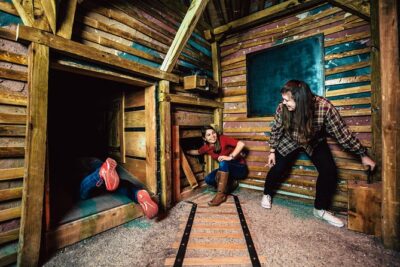



Gold Rush: find hidden gold in the California hills
This is a fun pick if you want a more adventurous feel. A Gold Rush theme tends to encourage searching for hidden details and using whatever you find in clever ways. It’s a good option for mixed groups, including teens who want something that feels like an actual adventure.
Prison Break: Alcatraz, complete a daring escape
This is the crowd-pleaser for people who want a cinematic plot. The mission is explicitly framed around Alcatraz Prison, so the atmosphere is built around escape energy rather than spooky horror. In the guidance from hosts, I’d pay extra attention to how the Alcatraz-style clues are revealed, because that’s where teams often get stuck and then need help to move forward.
Timeliner: train through time, save the future
This is the one for people who like variety in puzzle types. A time-travel story usually means the game logic can shift, so you may get different kinds of clue-solving. If you want something that feels unusual compared to standard escape rooms, Timeliner is worth considering.
A smart way to choose: think about what usually frustrates your group in puzzle games. If it’s getting bored, pick a mission with a fast-moving story. If it’s confusion, pick the mission that sounds most straightforward to you, then rely on the guide for nudge-level help.
What happens inside the locked room, and how you actually succeed
The format is simple. You and your team work together to find clues, solve puzzles, and complete the mission before time runs out. You don’t need any special background. What you do need is teamwork: communication, quick decisions, and the willingness to try the obvious thing first.
You have exactly 60 minutes in your mission. That hour is intentionally intense. It’s short enough that you stay focused, but long enough to feel like you’re building toward a solution.
One thing I like about The Escape Game SF is that it’s designed to be exciting without being dark or scary. The experience is described as adventure-like. That means you can bring a wider age range than you might with scarier escape rooms.
Also, the game is set up so the guide can help. You’re not entirely on your own. If your team hits a wall, the guide can offer help that keeps you moving. From what I’ve seen in how these games are run, the best teams don’t ask for help immediately, they ask when the team has tried and truly needs a new angle.
Finally, remember that time pressure is part of the design. If you keep cycling through the same idea, you waste minutes. If you split tasks, you create momentum.
Guides, hints, and why their personality matters

This experience runs on staff energy. You get a dedicated game guide who takes you into your adventure and supports you as needed. The guide isn’t just checking you in. They’re part of how your team gets unstuck.
Names you might recognize from past sessions include Gordon, who got special mention for guiding teams through the Alcatraz room. Other hosts like Aiden also came up in feedback for keeping things fun and well-run. People also praised Xadria for being helpful during the intro, and Jas for explaining how the different rooms work so you can pick the best-fit mission. For families and birthday groups, you might see notes about Aaron as a strong guide and Jesmilla as extra helpful during the game.
What does that mean for you? It means you should listen closely during briefing. The guide’s intro often helps you understand the rhythm of the puzzles and how to interact with clue locations. When you get that right, you spend more of the hour solving and less of it figuring out how the game expects you to play.
If you’re the type who likes structure, aim to speak up early. If you’re quieter, it still helps to share what you see as soon as you notice it. Puzzle games reward fast sharing.
Price and value: is $45.99 worth it?
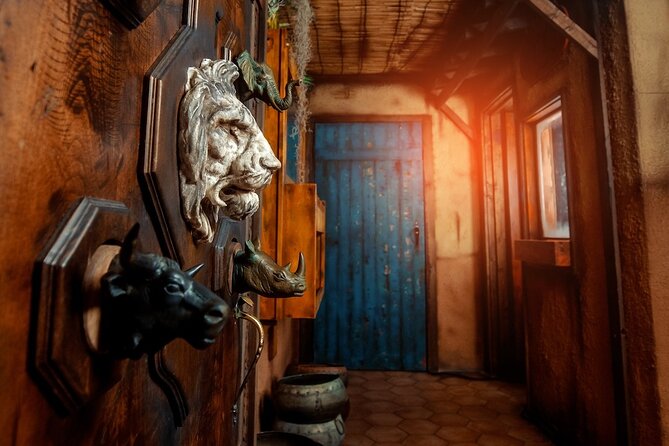
The price is $45.99 per person. That’s not a trivial amount, so it’s worth judging based on what you’re buying: an hour of live, guided teamwork in a themed setting.
What makes the value feel strong here:
- You get a full 60-minute mission, not a rushed taste.
- The experience includes briefing and debrief time, so you’re not just thrown into a room.
- You get live staff support, which can help you enjoy it even if your puzzle skills are mixed.
- The group size limit (max 8 travelers) keeps things personal enough that you’re not just one random face in a crowd.
What could make it feel less worth it:
- If you end up in a shared team, the experience becomes partly social in a way you can’t control.
- If your group strongly dislikes puzzles or deadlines, you may spend the hour stressed instead of entertained.
My practical take: this is a great use of time if you’re traveling with people who like interactive activities. If you’re the only one who’s excited about puzzles, you might have more fun by pairing this with a traditional sightseeing day, not trying to force everyone into the same mindset.
Shared teams and group dynamics: how to set expectations
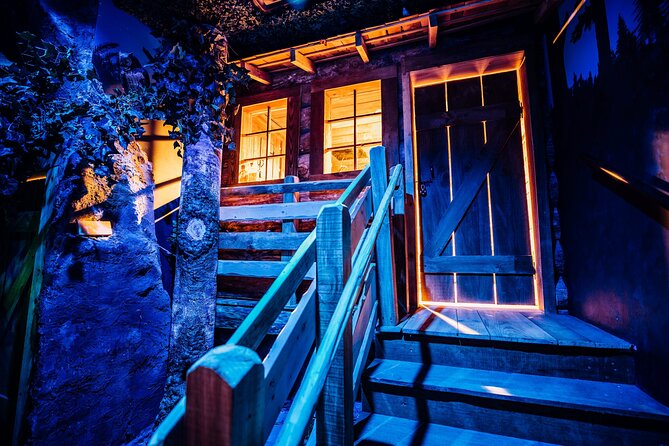
There’s one logistical detail that can affect your experience. Unless you book all spots in your game, your mission has the potential to be a shared experience, meaning other people might join your team.
That’s not automatically bad. Some groups love the mix and enjoy learning from new teammates. Others prefer a closed group for birthdays, family outings, or inside jokes that only make sense between friends.
If you’re sensitive to group changes, go in with a plan:
- Have your group decide roles before the mission starts during the briefing.
- Use the first few minutes to share how you communicate, like who calls out clues and who tries combinations.
- If you find your team isn’t vibing, focus on the mission mechanics and treat it like a puzzle workshop.
This is also where the max 8 travelers can help. A small ceiling tends to keep the team manageable and the room experience from getting chaotic.
Who this is best for in San Francisco

This is recommended for ages 13 and up, but younger players are allowed if you’re ready for some content to be difficult. There’s a clear adult requirement too: an adult age 18 or older must participate with anyone age 14 and under. And if any participants are under 18, an adult will need to sign their waiver.
So who should consider it?
- Teen groups who want something active that feels like a story.
- Families where at least one adult is comfortable helping with puzzle teamwork.
- Adult groups who want a break from walking and want to do something that’s mentally busy but not overly scary.
- Anyone who likes interactive challenges more than passive entertainment.
If you’re traveling as a couple, this can be a fun reset day activity. Two people can still work together well, especially if you’re good at communicating quickly. If you’re a larger group, you’ll appreciate the small-player limit, and you’ll want to assign tasks so everyone stays involved.
Tips to have a smoother hour without killing the fun
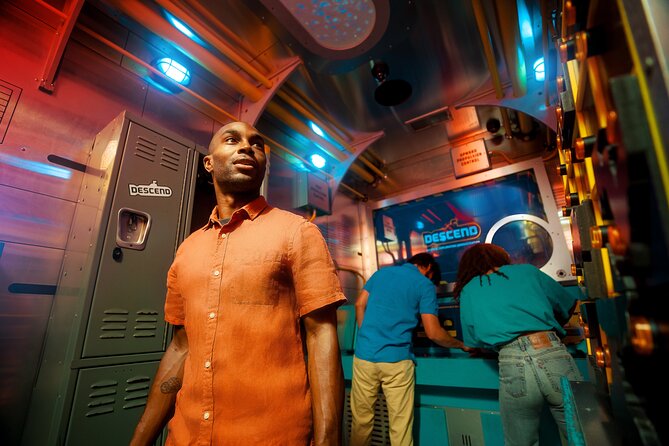
You don’t need to be a puzzle champion. You just need a good game mindset.
Here are practical tips based on how these missions work in the real world:
- Talk early and often. As soon as one person finds a clue, share it out loud. Silence usually costs time.
- Try the simplest interpretation first. Many puzzle chains reward the obvious reading before the fancy one.
- Split roles. One person can search, another can read and interpret, and a third can test combinations.
- Ask for help when you’re truly stuck. Use the guide as a momentum tool, not as a replacement for teamwork.
- Manage frustration. If someone gets tense, rotate tasks. That keeps the team from freezing up.
Also, plan your pre-game energy. You only get about 15 minutes before the mission, so you want everyone focused and ready to follow the guide’s briefing.
My bottom line on The Escape Game San Francisco (Fisherman’s Wharf)
If you want a fun, hands-on activity in the Fisherman’s Wharf area, this is a strong choice. I like that it’s not built around jump scares or dark rooms. It’s about clever teamwork, timed pressure, and a story you can pick yourself.
The experience is also easy to match to different interests. If your group wants a cinematic escape, go for the Alcatraz mission. If you want something more experimental, Timeliner can fit. If you want adventure vibes with a calmer mood, Gold Rush and The Depths are easy bets.
Just don’t ignore the one practical drawback: if you do not book every spot, you may end up in a shared team. If that would annoy you, plan around it.
Should you book it?
Book it if:
- You want interactive fun with real-time guidance.
- Your group enjoys puzzles and communicating under time pressure.
- You’re looking for something memorable that doesn’t require special skills.
Skip it if:
- Your group dislikes puzzles or deadlines.
- You are uncomfortable with the chance of joining a shared team.
- You need a totally passive activity, because the whole point is to participate.
FAQ
How long is the Escape Game San Francisco experience?
It runs for about 1 hour 15 minutes. Your mission takes 60 minutes, with about 15 minutes before for preparing and briefing, and about 15 minutes after for debrief and photos.
How much does it cost?
The price is $45.99 per person.
What game options are available?
You can choose one of five: The Depths, Special Ops: Mysterious Market, Gold Rush, Prison Break: Alcatraz, or Timeliner: Train Through Time.
What are the age recommendations and adult requirements?
Games are recommended for ages 13 and up. Younger players can participate, but some content may be too difficult. An adult age 18 or older must participate with anyone age 14 and under, and participants under 18 need an adult to sign their waiver.
Can I leave the room during the game?
Yes. Even though the door is locked, each door has an exit button, and you can leave the room anytime.
Are service animals allowed?
Yes. Service animals are allowed.
More Tour Reviews in San Francisco
- Muir Woods and Sausalito (Return by Bus or Ferry)★ 4.5 · 5,098 reviews
- Big Bus SF: Hop-on Hop-off Tour with 17 Stops and Sunset Option★ 4.0 · 4,539 reviews
- Napa and Sonoma Wine Country Full-Day Tour from San Francisco★ 4.5 · 4,455 reviews
- Small Group Yosemite and Giant Sequoias Day Trip from San Francisco★ 5.0 · 3,671 reviews
- San Francisco: Golden Gate Bay Cruise★ 4.7 · 3,644 reviews
- San Francisco: Hop-On Hop-Off Sightseeing Tour with 17 Stops★ 4.5 · 3,600 reviews
Clues Hidden Across the City
- The Escape Game San Francisco: Epic 60-Minute Adventures Downtown★ 5.0 · 334 reviews
- Prison Break Alcatraz Escape Room in Fisherman’s Wharf★ 5.0 · 96 reviews
- Emperor Norton’s Fantastic San Francisco Time Machine★ 5.0 · 67 reviews
- San Francisco: 7D Interactive Thrill Ride at PIER 39★ 4.7 · 35 reviews
- San Francisco: PIER 39 Flyer, 7D Ride, & Laser Maze Ticket★ 4.4 · 24 reviews
- Outdoor Escape Room in San Francisco – SOMA/Embarcadero★ 5.0 · 17 reviews
Along the Piers and Wharf
- San Francisco: Alcatraz, Fisherman’s Wharf & Optional Extras★ 4.4 · 663 reviews
- Inside Alcatraz Tour Including Fisherman’s Wharf Lunch Credit★ 4.0 · 505 reviews
- Alcatraz & Fisherman’s Wharf Tour + Cruise & Skystar Options★ 4.5 · 209 reviews
- San Francisco Combo: Ferry Building Food Tour and Alcatraz★ 4.5 · 152 reviews
- Prison Break Alcatraz Escape Room in Fisherman’s Wharf★ 5.0 · 96 reviews
- Fisherman’s Wharf Walking Tour★ 5.0 · 93 reviews
Fresh arrivals for a San Francisco itinerary
- San Francisco: Tour De San Francisco (Electric Bike Tour)
★ 4.7 · 3 reviews - Private Exploration of the Birds of San Francisco
★ 5.0 · 4 reviews - Zion, Bryce, Antelope, Grand Canyon, Las Vegas 6-Day Tour from SF
★ 5.0 · 3 reviews - Private Tour of Yosemite a Two Day Exploration
★ 5.0 · 4 reviews - The Presidio: Main Post to the Golden Gate Bridge
★ 5.0 · 3 reviews - Alcatraz Island Tour with San Francisco Bay Tour
★ 3.5 · 4 reviews
More ways into Fisherman's Wharf, Piers & Ferry Building
 ★ 4.4Alcatraz, Fisherman’s Wharf & Optional ExtrasFrom $99663 reviews
 ★ 4.0Inside Alcatraz Tour Including Fisherman’s Wharf Lunch CreditFrom $89505 reviews
 ★ 4.5Alcatraz & Fisherman’s Wharf Tour + Cruise & Skystar OptionsFrom $99209 reviews
 ★ 4.5San Francisco Combo: Ferry Building Food Tour and AlcatrazFrom $181152 reviews
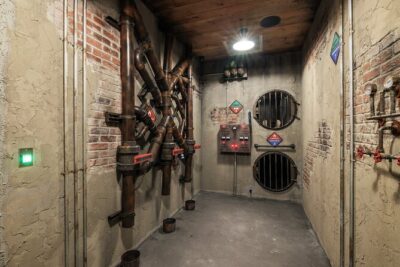 ★ 5.0Prison Break Alcatraz Escape Room in Fisherman’s WharfFrom $4596 reviews
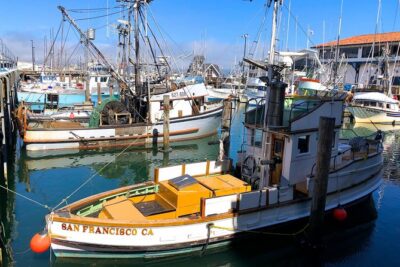 ★ 5.0Fisherman’s Wharf Walking TourFrom $3993 reviews
 ★ 4.5San Francisco Food Tour: Ferry Building and Ferry Plaza Farmers MarketFrom $9592 reviews
 ★ 5.0City Tour with Food Stop at Ferry Building + Optional AlcatrazFrom $11979 reviews
Try another angle on the same itinerary