
REVIEW · WALKING TOURS
San Francisco: Neighborhood Walking Tour – 6 Route Options
San Francisco rewards people who slow down. This walking tour uses a local historian to turn streets into real context, from neighborhood identity to the stories behind the big landmarks. I especially like the focus on food and local culture, plus the small-group pace that makes it feel more like a guided wander than a conveyor belt.
The main thing to consider is that you pick one of six routes, so you won’t see everything in a single go. Also, it is not built for mobility limits, and it can be canceled when weather turns.
Key reasons this SF walking tour works
- Six focused route options, so you can choose what you actually want to see
- Local historian guide who explains how neighborhoods formed and changed
- Small group up to 8 people, which keeps questions and pace easy to manage
- Built-in snacks and bottled water, so you’re not rationing yourself mid-walk
- Photo-ready stops across SF’s views, architecture, and waterfront scenes
Hidden staircases and viewpoints worth the climb


A local historian turns neighborhoods into real context
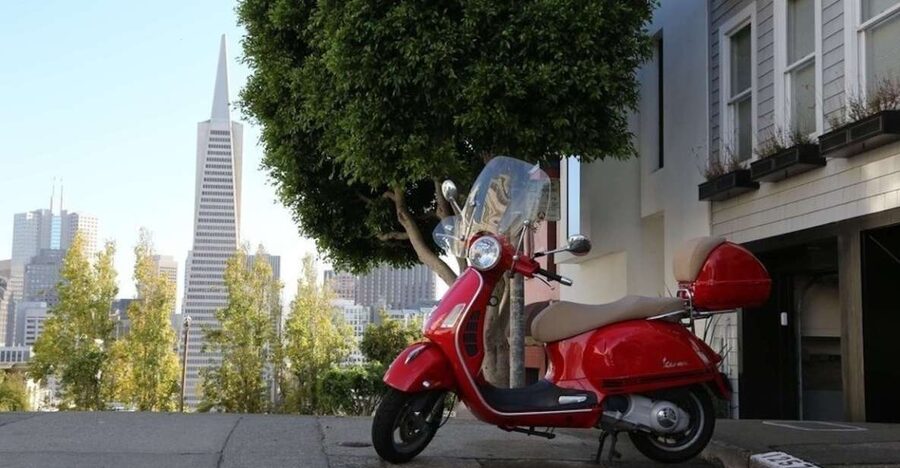
San Francisco can look like a postcard, but the fun starts when someone explains what you’re seeing. This tour is designed around that idea. Instead of bouncing between random stops, the guide connects the geography to the people, and the people to the history you can still spot in the streets.
You’ll walk through neighborhoods with personality, not just landmarks. That matters, because SF’s “neighborhood look” is part of the story. Victorian facades, mural walls, old-school storefronts, and big view points all tell you something about how residents lived, argued, created, and reinvested.
The guide is also part of the value. In the field, Ryan is specifically called out for making the walk engaging and for knowing the details in areas like Chinatown and Russian Hill. And that style is what you want on a 3 to 3.5 hour walking tour: clear, conversational, and ready for your questions.
Pick your vibe, with six neighborhood routes
This is one ticket, one tour time window, and you choose one route. That choice lets you tailor the walk to your priorities, whether you care most about culture, views, parks, or the waterfront.
Here’s how the routes tend to break down, and what each one is best for:
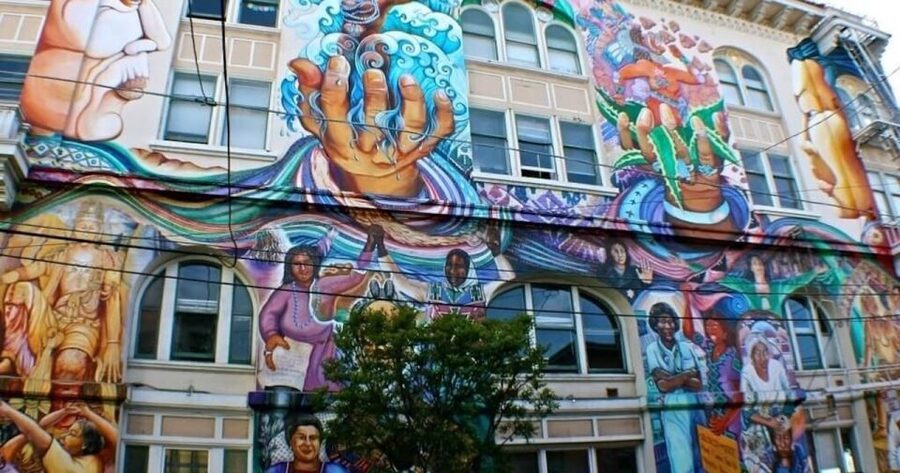
Castro District to Mission: murals, LGBTQ+ culture, and Mission Dolores
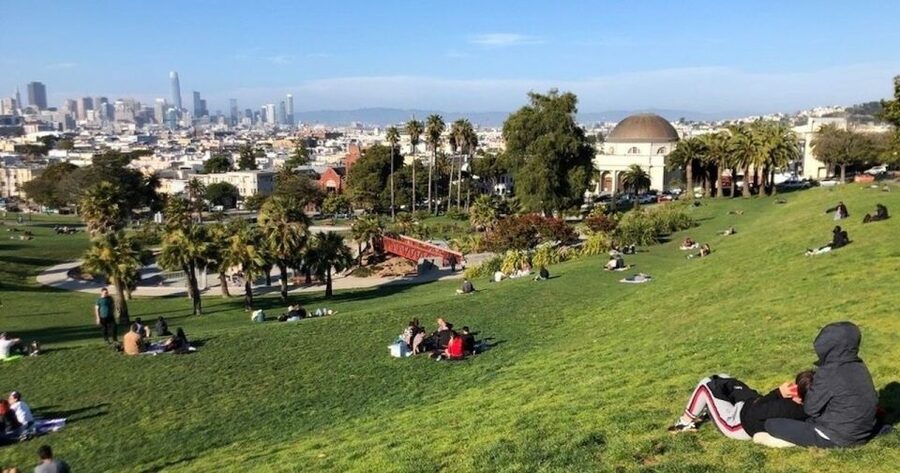
If you want SF’s modern social story plus classic architecture, this is the route. You’ll spend time in the Castro, known for its long-running LGBTQ+ community and history, then continue toward the Mission District where the energy shifts to nightlife and Latin flair.
The stop list leans into what makes this part of town visually memorable. You’ll see Victorian architecture along the way, and you’ll get time around Mission Dolores, the oldest surviving building referenced on this route. You’ll also look closely at murals, which is where “neighborhood walking” turns into “understanding SF.”
Food is a big part of this loop too. The route is designed to include snack stops at favorites, with highlights that point toward the best cookie shop and taquerias in town (snacks are for purchase, but the plan is baked in). That’s a nice deal if you don’t want to gamble on where to eat before you’re properly oriented.
Possible drawback: this route has lots of cultural stops and walking energy. If you want purely scenic overlooks, it may feel more “people and art” than “views and vistas.”
Chinatown, North Beach, and Russian Hill: firsts, panoramas, and Beat-era flavor
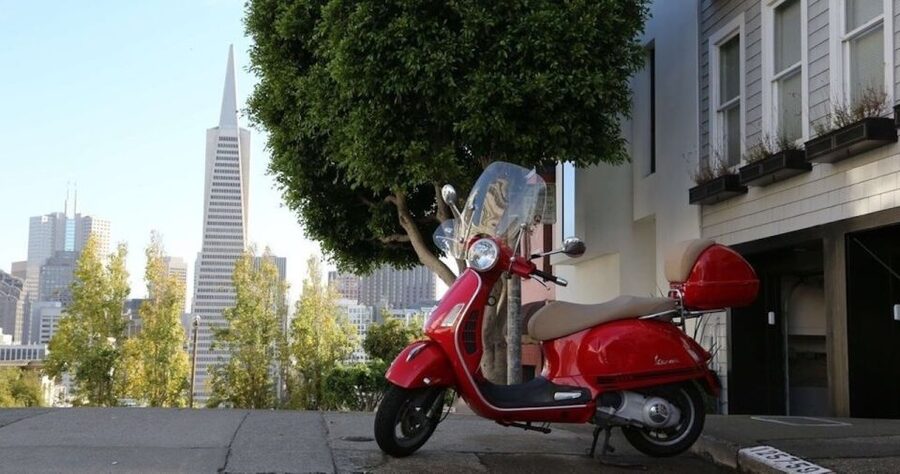
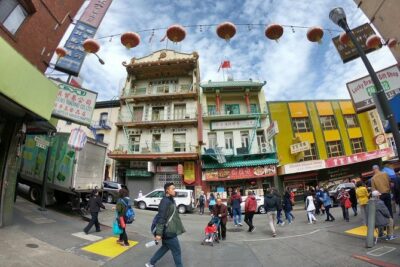
For many people, Chinatown is the “arrive and look around” district, but this route builds a stronger connection. You’ll cover the first Chinese temple in the U.S., plus city-machine details like the cable car powerhouse. You’re not just seeing historic scenery, you’re learning how the neighborhood fits into SF’s tech and transportation story.
The walking plan also includes classic North Beach and Russian Hill textures. Expect Russian Hill panoramas, a lane called Macondray Lane, and the feeling of San Francisco’s Beat-era scene where creativity and counterculture found a home. This route also references a Fortune Cookie Factory stop and a favorite local pizza shop, which keeps the tour from turning too academic.
One of the best-reviewed elements here is the guide experience. Ryan is specifically praised for Chinatown and Russian Hill knowledge, and for making the route entertaining while still informative. If you like your history with personality, this is a good bet.
Possible drawback: there can be a lot to absorb in a compact area. If you prefer “one neighborhood, slow photos,” you may want to take your time at the view points and accept that you won’t linger everywhere.
Another route for hills, alleys and waterfront blocks
Cow Hollow: movie-scene energy, steps, and the Palace of Fine Arts
Cow Hollow is for you if you want SF with an artsy edge and some elegance. This route threads together upscale streets, playful details, and recognizable visual landmarks.
Highlights include the Matrix Club, connected to Marty Balin, plus Union Street and the Lyon Street Steps. From there you pass by the Lucasfilm campus and end with time around the Palace of Fine Arts, one of SF’s most photogenic spots.
This is a nice change of pace if you’ve been expecting only Victorian row houses, crowded downtown corners, or the big park circuit. Cow Hollow feels more spread out and polished, and the tour gives you a reason to walk rather than just drive through it.
Possible drawback: this route can feel more low-key than the Castro or Mission. If you’re traveling for maximum cultural intensity, you might find it more “pretty streets and landmarks” than “big community stories.”
The Four Peaks: best city views without needing a car
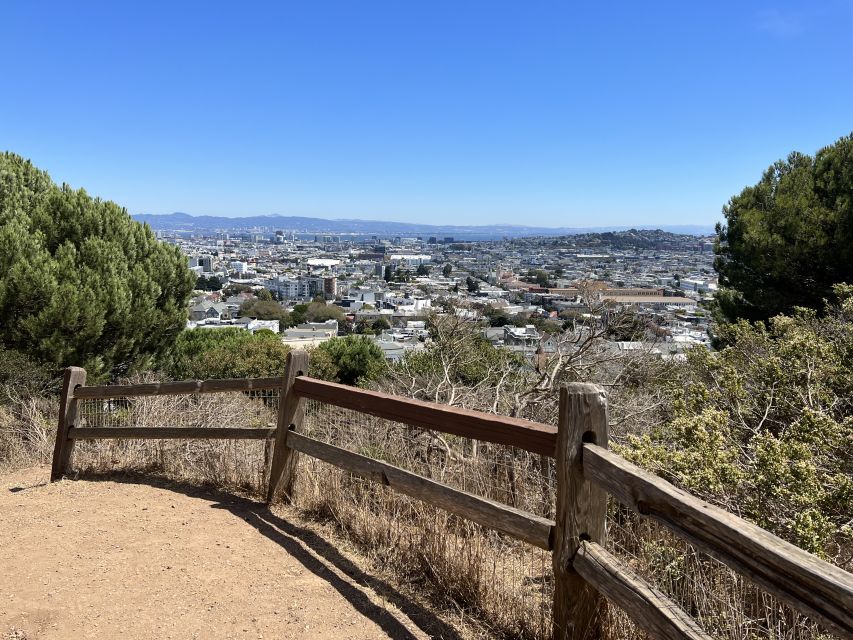
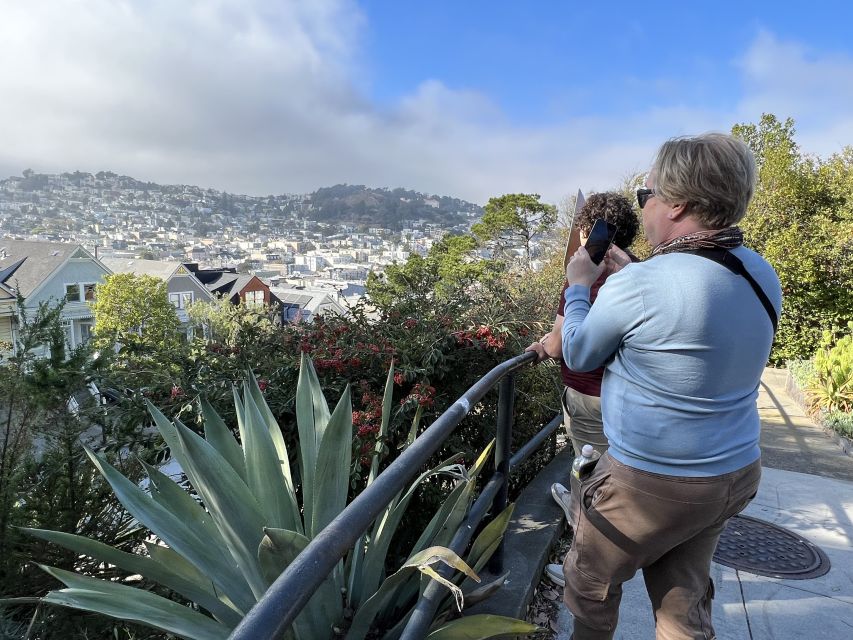
SF viewpoints are great, but you often earn them with extra effort. This route is built for that reward. It highlights four of the best vistas and names the hills you’ll be walking toward, including Mount Olympus, Tank Hill, Corona Heights, and Kite Hill.
What I like about this approach is the structure. Instead of a single viewpoint, you get multiple angles, so you understand the city’s shape and how neighborhoods layer on top of each other. The route also includes hidden gardens, staircases, and slides, which is a fun way to keep your legs moving while the scenery changes.
It’s not only views either. The plan references Randall Museum, noting that entry is free, plus a stop called Hot Cookie. That’s the kind of practical detail you appreciate when you’re trying to time your snack around your energy level.
Possible drawback: this route sounds like a leg workout. If you’re not comfortable with uphill walking and stairs, you’ll want to choose another option.
Golden Gate Park: iconic sights plus a few thoughtful stops
If you want a big SF experience that still feels like a guided walk, Golden Gate Park is a strong pick. This route connects major landmarks with places that tell a different story than you’d notice on your own.
It includes the de Young Museum Observation Tower, which is a clear way to turn park time into city views. You’ll also visit the National AIDS Memorial Grove, plus Stow Lake and the Bison Paddock. There’s the Dutch Windmill, described as enormous, and time toward Ocean Beach for a coastal finish.
What makes this route valuable is variety. You get nature, art, memorial space, animals, and ocean air, all in one guided flow. And because it’s a walking tour, you’re moving at a human pace that helps you notice the park’s layout instead of treating it like a checklist.
Possible drawback: park routes can vary with your pace and how you handle “pause and look.” If you want nonstop motion, you may feel like there are too many stops. If you like strolling and people-watching, you’ll probably love it.
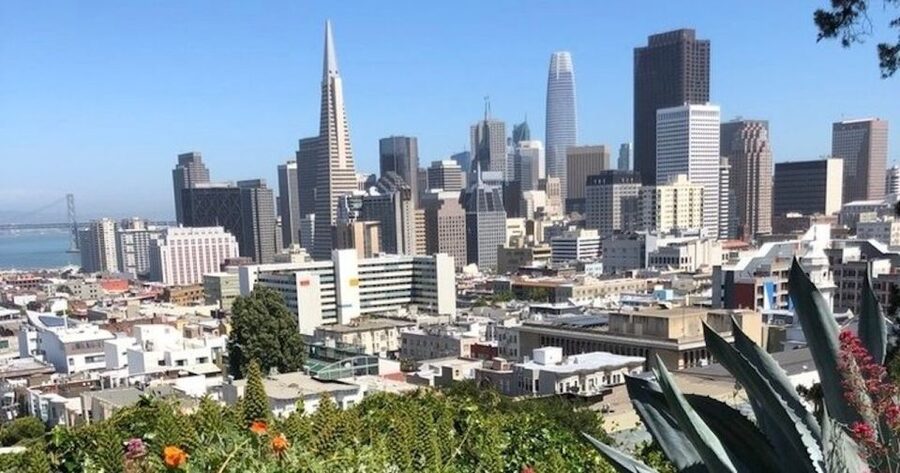
Telegraph Hill and the Old Waterfront: Ferry Building, Coit Tower, and hidden gardens
This route is for your inner “wanderer with a destination.” You’ll hit the Ferry Building Marketplace, a historic center of the waterfront vibe where the air feels different from the hills. You’ll also include a local tour of secret gardens, plus Coit Tower and Levi Plaza, described here as the birthplace of blue jeans.
This combination works because it ties SF’s practical life to its dramatic scenery. The waterfront brings the working city feel, while Telegraph Hill brings the lookout perspective. Coit Tower adds the recognizable landmark factor, and the garden element gives you a calmer, more surprising beat.
Possible drawback: if you’re trying to avoid hills, this one may require extra attention. Telegraph Hill areas are known for elevation, so wear shoes you’re truly comfortable walking in.
What you get for $65, and why the time feels worth it
$65 for a 3 to 3.5 hour guided walking tour can sound steep until you look at what’s actually included. You’re paying for a live local historian guide, not just a route map. And that guide time matters, because neighborhoods make much more sense when someone explains why the buildings and communities look the way they do.
You also get bottled water, plus planned snack stops at favorite spots where food and drinks are available for purchase. This is a smart setup for SF, where prices can climb quickly if you’re hungry and searching mid-walk. The tour reduces that stress because you’re not guessing where the next pause should happen.
Group size helps the value too. Limited to up to 8 participants, you’re less likely to feel like you’re in a lecture with a megaphone. If you like asking questions, small groups make that possible.
If I’m being picky, the biggest “value test” is route choice. If you pick a route that matches your interests, the $65 feels fair. If you pick a route that misses your mood, the same structure can feel like you’re walking just to hit highlights.
Your walking toolkit: what to bring and how to pace yourself
This is a practical tour. You’ll want comfortable shoes first, then actual water habits. The tour includes bottled water, but you’ll still feel better if you arrive ready to walk.
The provided guidance also suggests bringing snacks and comfortable clothes. That’s useful because even with planned snack stops, the best strategy is staying energized rather than chasing hunger.
Also, keep weather in mind. The tour may be canceled depending on conditions. If you’re booking this on a day with fog or heavy rain in the forecast, consider building a backup into your schedule.
Finally, it’s not listed as suitable for children under 10 or for people with mobility impairments. That matters because the experience relies on walking and likely uneven terrain across multiple neighborhoods.
Which SF route should you choose?
If you want a simple decision rule, I’d match the route to your travel style:
- Castro and Mission: for LGBTQ+ culture, murals, Victorian streets, and classic SF community energy.
- Chinatown, North Beach, Russian Hill: for historic Chinese temple context, city views, and Beat-era flavor.
- Cow Hollow: for Palace of Fine Arts, steps, and a more arts and film-adjacent SF mood.
- Four Peaks: for multiple viewpoint stops and a workout that feels rewarded.
- Golden Gate Park: for a big one-day feeling with both beauty and thoughtful memorial space.
- Telegraph Hill and Old Waterfront: for Ferry Building, Coit Tower, and a mix of lively waterfront and hill perspectives.
One more tip: choose the route you’ll actually want to repeat later. SF is best when you leave with a sense of where to return, not just a set of photos.
Should you book this neighborhood walking tour?

I’d book it if you want an easy way to learn SF through its neighborhoods, with a small group and a local historian who can connect what you see to why it exists. The design is smart: you choose one focused route, then you walk it with enough time to make the details stick.
Skip it if your priority is ticking off every famous site in one afternoon. This isn’t that. It’s also not a fit if mobility is a concern, or if you know you dislike hills and stairs.
With a rating of 4.2 out of 5 from a small set of reviews, the consistent theme is guide quality and route enjoyment, including praise for Ryan’s engagement and storytelling in areas like Chinatown and Russian Hill, plus strong appreciation for the Castro and Mission route.
FAQ
FAQ
How long is the San Francisco neighborhood walking tour?
It runs about 3 to 3.5 hours.
How much does the tour cost?
The price is $65 per person.
What’s included with the tour?
Included items are a local historian guide, a walking tour, bottled water, and snack stops at favorite spots where food and drinks are available for purchase.
What routes are available?
You can choose from six route options: The Castro District-Mission Loop; Chinatown-North Beach-Russian Hill; Cow Hollow; The Four Peaks; Golden Gate Park; and Telegraph Hill and The Old Waterfront.
Is this tour family-friendly?
It is not suitable for children under 10.
Can the tour be canceled due to weather?
Yes. The tour may be canceled depending on weather conditions.
More Tours in San Francisco
- Big Bus SF: Hop-on Hop-off Tour with 17 Stops and Sunset Option★ 4.0 · 4,539 reviews
- Napa and Sonoma Wine Country Full-Day Tour from San Francisco★ 4.5 · 4,455 reviews
- San Francisco: Hop-On Hop-Off Sightseeing Tour with 17 Stops★ 4.5 · 3,600 reviews
- Yosemite Highlights & Giant Sequoias Day Tour from San Francisco★ 4.5 · 3,455 reviews
- San Francisco Love Tour★ 5.0 · 2,830 reviews
- San Francisco: Alcatraz Island & 48-Hour Hop-On Hop-Off Tour★ 4.6 · 2,245 reviews
More Tour Reviews in San Francisco
- Muir Woods and Sausalito (Return by Bus or Ferry)★ 4.5 · 5,098 reviews
- Big Bus SF: Hop-on Hop-off Tour with 17 Stops and Sunset Option★ 4.0 · 4,539 reviews
- Napa and Sonoma Wine Country Full-Day Tour from San Francisco★ 4.5 · 4,455 reviews
- Small Group Yosemite and Giant Sequoias Day Trip from San Francisco★ 5.0 · 3,671 reviews
- San Francisco: Golden Gate Bay Cruise★ 4.7 · 3,644 reviews
- San Francisco: Hop-On Hop-Off Sightseeing Tour with 17 Stops★ 4.5 · 3,600 reviews
Stairways Worth the San Francisco Climb
- Hidden Stairways of San Francisco★ 5.0 · 244 reviews
- San Francisco Urban Hike: Castro and Twin Peaks★ 5.0 · 71 reviews
- Hidden Stairways of San Francisco★ 5.0 · 24 reviews
- San Francisco Presidio Walking Tour★ 5.0 · 19 reviews
- San Francisco Urban Hike: Coit Tower, Lombard Street and North Beach★ 5.0 · 11 reviews
- Iconic San Francisco Urban Hiking Tour★ 5.0 · 7 reviews
Fresh arrivals for a San Francisco itinerary
- San Francisco: Tour De San Francisco (Electric Bike Tour)
★ 4.7 · 3 reviews - Private Exploration of the Birds of San Francisco
★ 5.0 · 4 reviews - Zion, Bryce, Antelope, Grand Canyon, Las Vegas 6-Day Tour from SF
★ 5.0 · 3 reviews - Private Tour of Yosemite a Two Day Exploration
★ 5.0 · 4 reviews - The Presidio: Main Post to the Golden Gate Bridge
★ 5.0 · 3 reviews - Alcatraz Island Tour with San Francisco Bay Tour
★ 3.5 · 4 reviews
More ways into Walking Tours
 ★ 5.0North Beach & Little Italy Walking Tour: Food, History & FlavorFrom $861,044 reviews
 ★ 5.0San Francisco Chinatown Walking TourFrom $59778 reviews
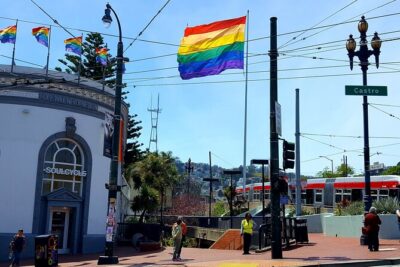 ★ 5.0San Francisco LGBTQ Walking Tour with Local GuideFrom $40600 reviews
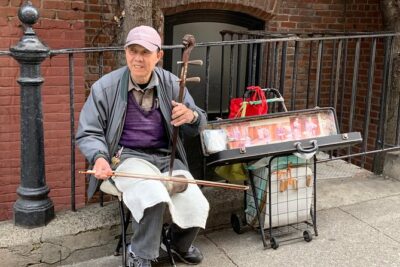 ★ 5.0Chinatown Walking Tour: Food, History & FlavorFrom $86575 reviews
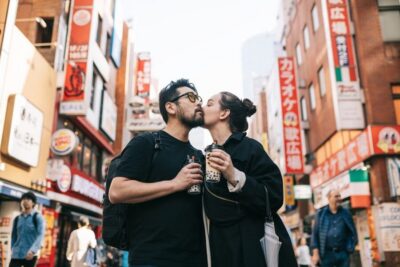 ★ 4.8Chinatown Culinary Walking TourFrom $84265 reviews
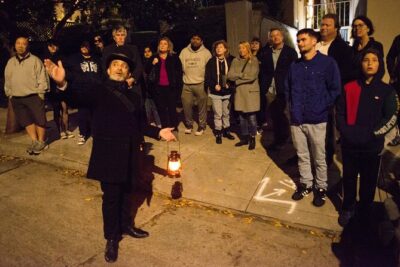 ★ 5.0San Francisco Ghost Hunt Walking TourFrom $25177 reviews
 ★ 5.0Private Walking Tour of San FranciscoFrom $49150 reviews
 ★ 4.8Food Walking Tour of Chinatown & North BeachFrom $94148 reviews
Try another angle on the same itinerary