
Hills, water, one red bridge.
Ride the cable cars, cross to Alcatraz, walk beneath coast redwoods and watch the fog give way to a gold-lit bay. Find the day that fits, then see exactly what the ticket covers.
Start with the days that define it.
The strongest first itinerary mixes water, hills and one escape beyond the bridge. Book Alcatraz early, leave room for the redwoods, and keep a clear evening for the bay.
Big Bus SF: Hop-on Hop-off Tour with 17 Stops and Sunset Option
Big Bus SF Red Route hop-on hop-off with open-top views, earbuds, live tracking, and optional sunset, wine, and Chinatown upgrades.
From $56 per person
Read the review → ★ 5.0City classicSmall Group Yosemite and Giant Sequoias Day Trip from San FranciscoFrom $2393,671 reviews
 ★ 4.5Ferry favoriteHop-On Hop-Off Sightseeing Tour with 17 StopsFrom $563,600 reviews
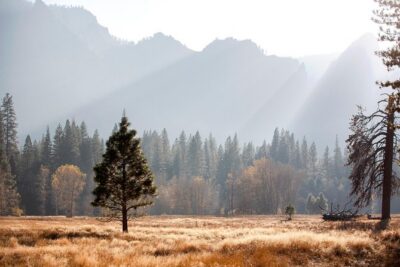 ★ 4.5Worth the climbYosemite Highlights & Giant Sequoias Day Tour from San FranciscoFrom $2193,455 reviews
 ★ 4.5Good first moveSan Francisco Super Saver: Muir Woods & Wine Country w/ optional Gourmet LunchFrom $1793,352 reviews
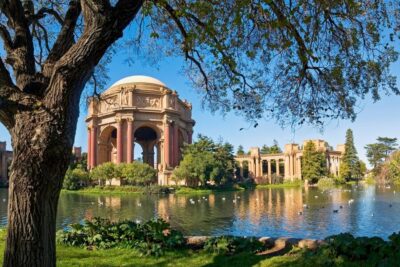 ★ 4.6Bay Area iconAlcatraz Island & 48-Hour Hop-On Hop-Off TourFrom $1202,245 reviews
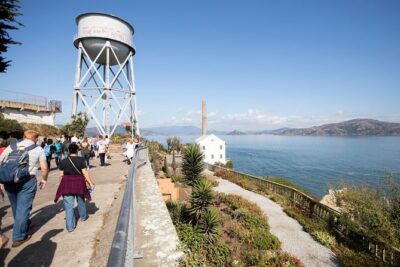 ★ 4.0Plan this earlyCombo Tour: Alcatraz Island and San Francisco Grand City TourFrom $1492,228 reviews
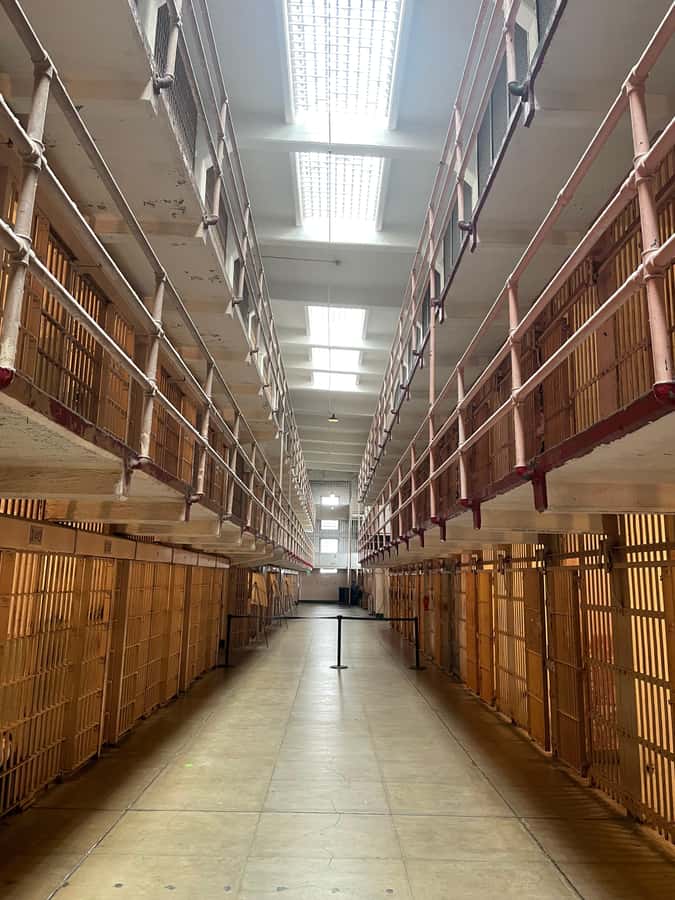
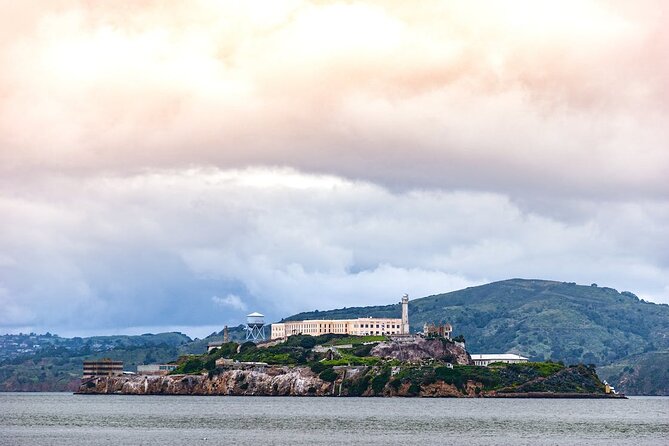
Reach the Rock before the crowds.
Alcatraz rewards an early crossing. The cell-house audio route carries the voices of former officers and prisoners, while the ferry adds skyline and bridge views to the ticket. Allow enough time to walk the island rather than racing back to Pier 33.
Choose your compass point.
North brings vineyards and redwoods. East opens onto Yosemite. Pick by travel time and landscape, then compare the departures that return when you need them to.
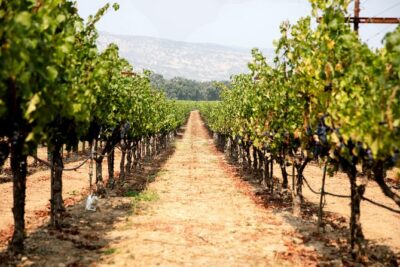 Cellars to the north
Napa & Sonoma
8 to 9 hours (approx.) · from $165 · 4,455 reviews
Cross the Golden Gate for vineyard roads, several tasting rooms and lunch among the vines. A guided day keeps the pours generous and the drive home someone else’s job.
Follow the wine-country roads →
Cellars to the north
Napa & Sonoma
8 to 9 hours (approx.) · from $165 · 4,455 reviews
Cross the Golden Gate for vineyard roads, several tasting rooms and lunch among the vines. A guided day keeps the pours generous and the drive home someone else’s job.
Follow the wine-country roads →
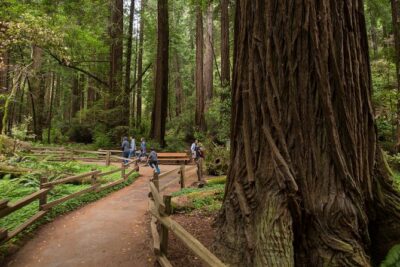 Cool shade, bright waterfront
Muir Woods & Sausalito
5 to 8 hours (approx.) · from $91 · 5,098 reviews
Walk among old-growth redwoods in the morning, then trade forest shade for lunch beside the Sausalito marina. A ferry return turns the city skyline into the final view.
Plan the Marin half day →
Granite beyond the horizon
Yosemite & the Sierra
14 hours (approx.) · from $239 · 3,671 reviews
This is the longest day: an early departure, Sierra roads, granite walls and giant sequoias before a late return. Choose it when the national park matters more than an easy pace.
Compare the Yosemite routes →
Cool shade, bright waterfront
Muir Woods & Sausalito
5 to 8 hours (approx.) · from $91 · 5,098 reviews
Walk among old-growth redwoods in the morning, then trade forest shade for lunch beside the Sausalito marina. A ferry return turns the city skyline into the final view.
Plan the Marin half day →
Granite beyond the horizon
Yosemite & the Sierra
14 hours (approx.) · from $239 · 3,671 reviews
This is the longest day: an early departure, Sierra roads, granite walls and giant sequoias before a late return. Choose it when the national park matters more than an easy pace.
Compare the Yosemite routes →
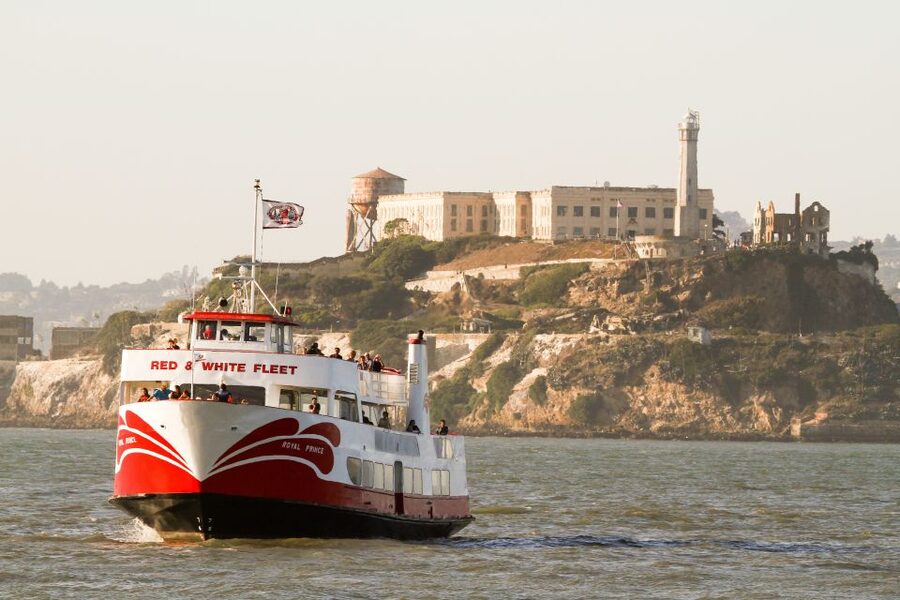
Stay for the fog and lights.
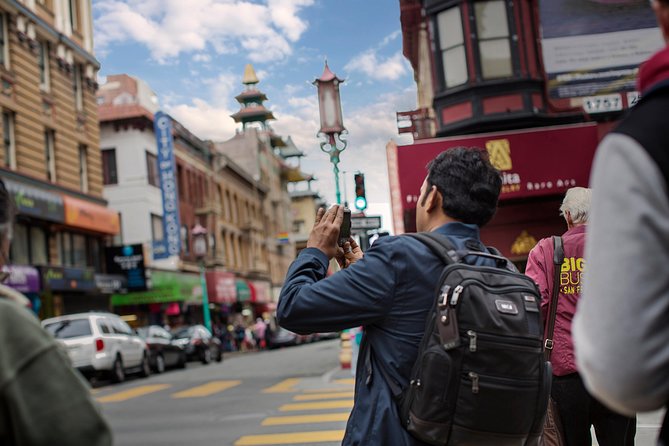
Evening softens the city into silhouettes. Sail below the Golden Gate, watch downtown lights stretch across the water, or follow darker stories through Chinatown after the storefronts close.
Follow the neighborhood appetite.
Start with dim sum in Chinatown, cross into North Beach for espresso, then save the Mission for murals and taquerias. The best food walks make the boundaries between neighborhoods part of the meal.


Let the bridge set the route.
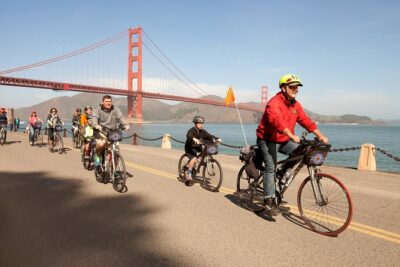
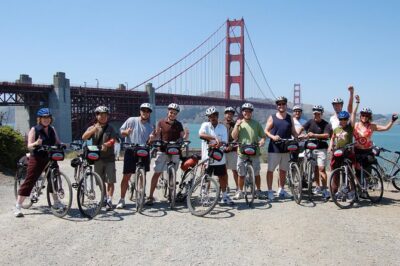
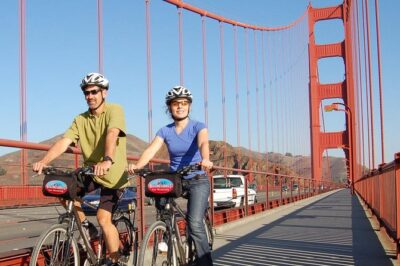
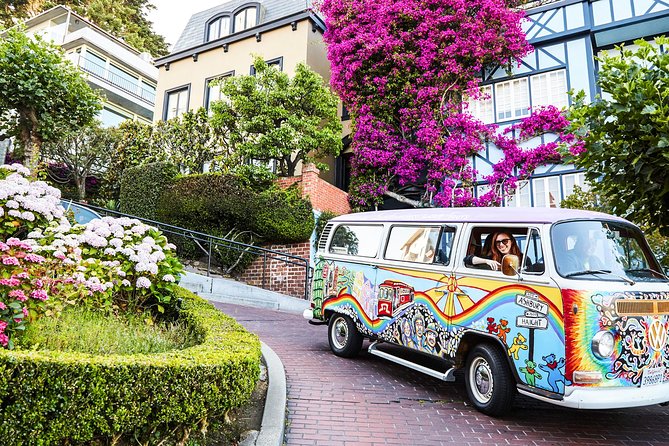
Ride the waterfront and bridge to Sausalito, use an e-bike to flatten the climbs, or take a talking GoCar through streets too tight for a bus. Every option feels different once the bay wind arrives.
Climb first. Coast later.
Cable cars still grip the buried line and pull toward Nob Hill, Russian Hill and the waterfront. Pair the ride with Painted Ladies, Chinatown lanes and a guide who can explain why the streets rise so sharply.
A city built one hill at a time.
North Beach runs on espresso. Chinatown opens behind a dragon gate. The Presidio reaches the bridge, while the waterfront faces Alcatraz. Choose one pocket and let its streets fill the afternoon.
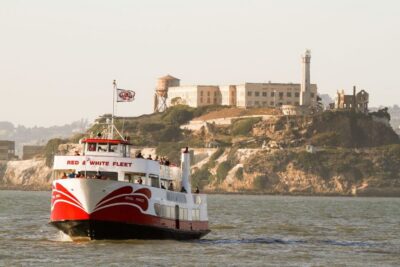
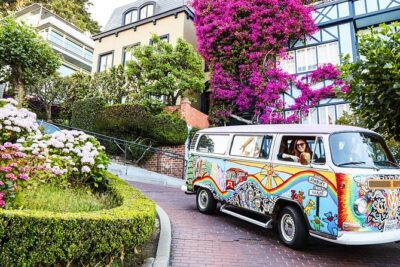

Pick the shape of your day.
Walk a neighborhood, sail the bay, ride over the bridge or taste your way through a market. Start with how you want to move and the right shortlist follows.
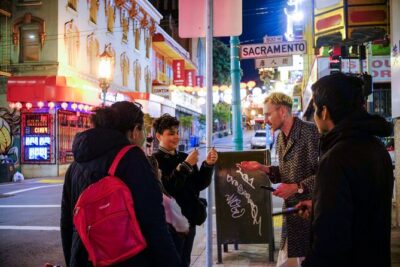
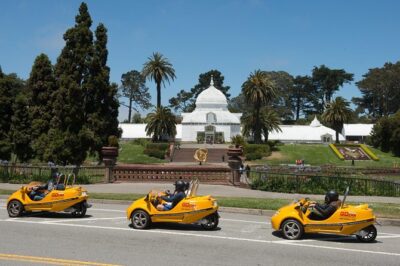
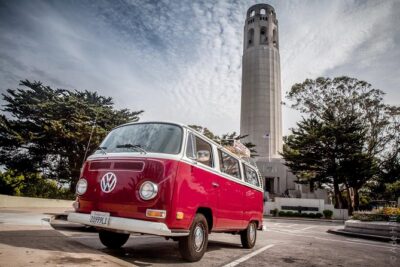
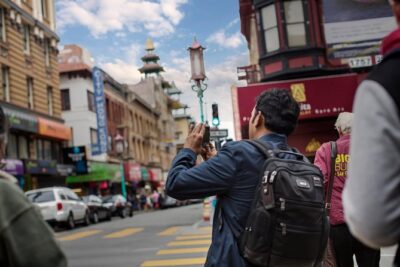
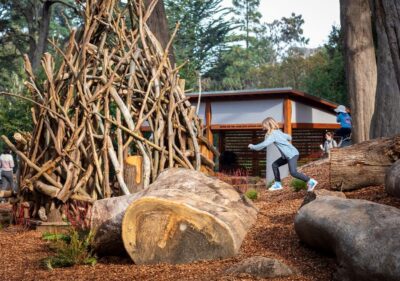
North, south or into the Sierra.
Redwoods and vineyards lie beyond the Golden Gate. Monterey follows the coast south, while Yosemite demands the long road east. Choose the landscape first and the travel time second.
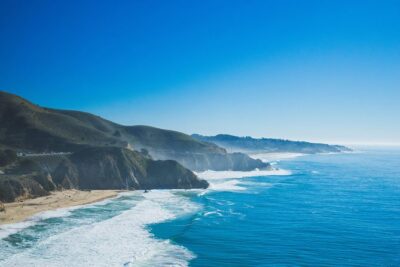


Build three days around the water.
Begin at the waterfront and Alcatraz. Cross the bridge on day two. Leave the skyline behind on day three. The order keeps travel simple and gives the fog more than one chance to lift.
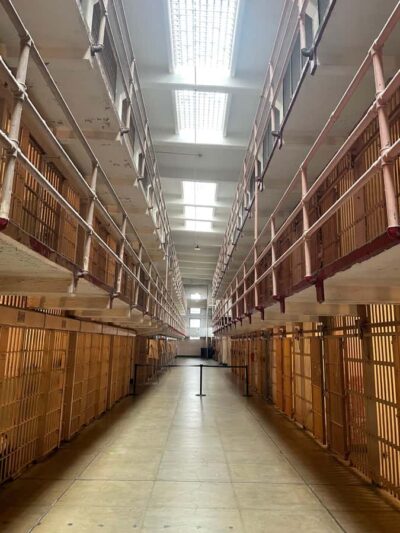 Day 1
Ferry first, cable car later
Take the early boat to Alcatraz, return for the Wharf and sea lions, then let a cable car pull you away from the waterfront. Secure this day before the others.
Shape the waterfront day →
Day 1
Ferry first, cable car later
Take the early boat to Alcatraz, return for the Wharf and sea lions, then let a cable car pull you away from the waterfront. Secure this day before the others.
Shape the waterfront day →
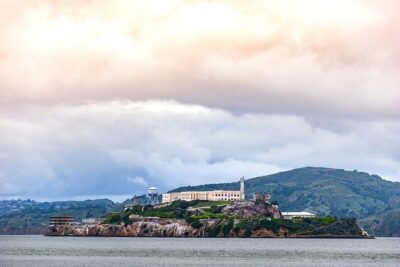 Day 2
Cross the orange span
Walk or ride to Marin, pause for lunch in Sausalito and return by ferry with the skyline ahead. Give this day the clearest morning in the forecast.
Set the bridge route →
Day 3
Trade streets for trees or vines
Let someone else drive north. Choose cellar doors in Napa and Sonoma or the cool redwood paths of Muir Woods, then return to the city for dinner.
Choose the escape →
Day 2
Cross the orange span
Walk or ride to Marin, pause for lunch in Sausalito and return by ferry with the skyline ahead. Give this day the clearest morning in the forecast.
Set the bridge route →
Day 3
Trade streets for trees or vines
Let someone else drive north. Choose cellar doors in Napa and Sonoma or the cool redwood paths of Muir Woods, then return to the city for dinner.
Choose the escape →
Fresh arrivals for San Francisco.
 ★ 5.0Zion, Bryce, Antelope, Grand Canyon, Las Vegas 6-Day Tour from SFFrom $1,1393 reviews
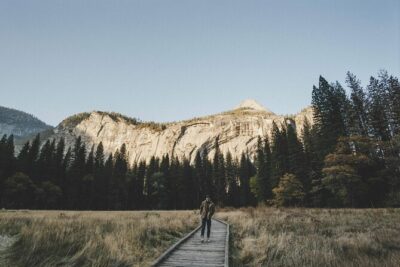 ★ 5.0Private Tour of Yosemite a Two Day ExplorationFrom $1,2504 reviews
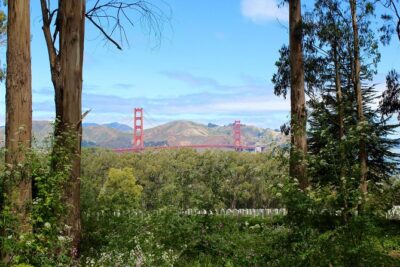 ★ 5.0The Presidio: Main Post to the Golden Gate BridgeFrom $593 reviews
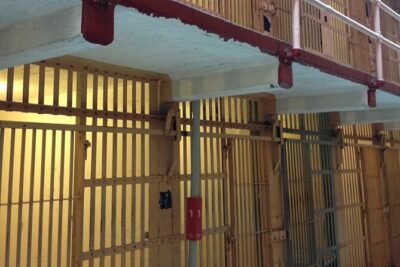 ★ 3.5Alcatraz Island Tour with San Francisco Bay TourFrom $1484 reviews
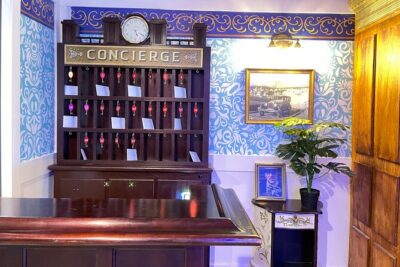 ★ 5.0Gangster-Themed Escape Room at PIER 39From $203 reviews
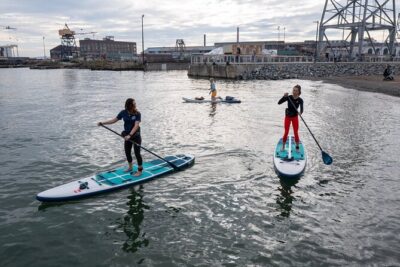 ★ 5.0Learn to Paddle Board on the San Francisco Bay!From $1314 reviews