
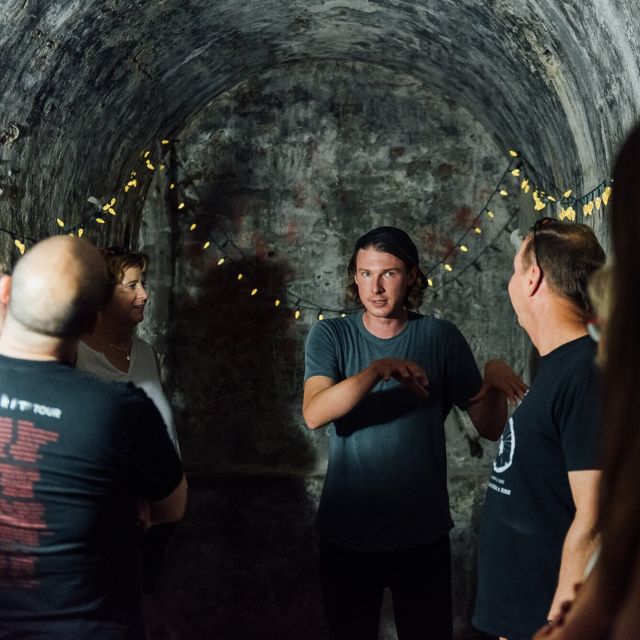
REVIEW · CHINATOWN FOOD & HERITAGE WALKS
San Francisco: North Beach & Chinatown Food History Tour
Chinatown and North Beach tell stories through food. On this 4.5-hour walking tour, you connect San Francisco’s Gold Rush and Jazz Age past to real bites, from dim sum to pastries.
I love the small-group feel, limited to 10 people, because you get time to ask questions and chat with the local business owners along the way. I also like that you sample 15+ different foods, not just one big meal, so you taste the neighborhoods instead of only reading about them. The one thing to consider is that it is still a walking tour, so comfortable shoes are not optional.
Key things that make this tour work
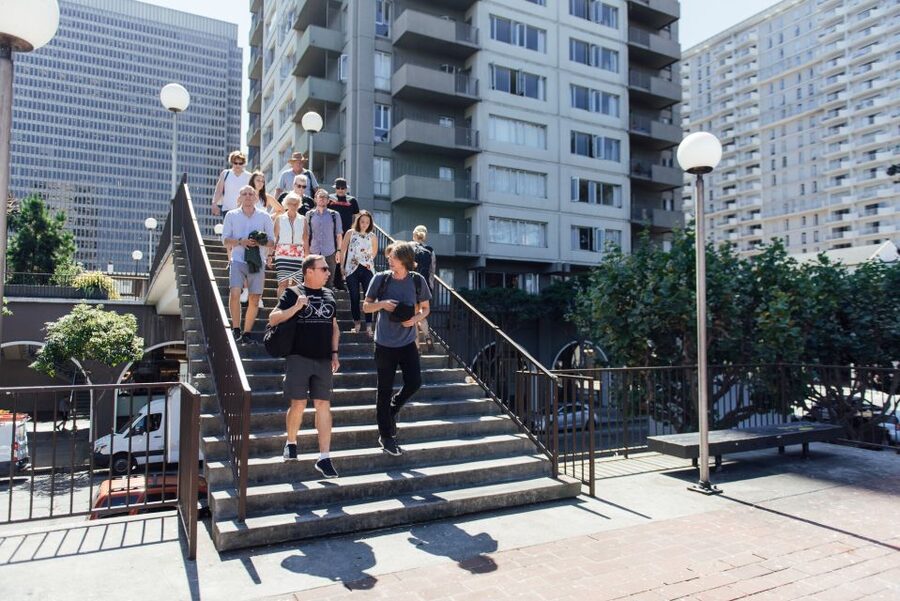
- Transamerica Redwood Park: start near the Transamerica Pyramid, then find a tiny grove of redwood trees you might otherwise miss
- Barbary Coast context: you connect jazz-era culture to the former red-light district with specific local stops and snacks
- Stuart’s local stories: multiple stops include personal connections and neighborhood anecdotes from a longtime San Francisco guide
- North Beach food variety: pizza, antipasto, aged cheese, and Italian pastries keep the pace interesting
- Chinatown dim sum plus a fortune cookie finale: you get both classic street food sampling and a hands-on factory stop
Alleys, bakeries and the stories behind Grant Avenue

Meeting Under the Transamerica Pyramid and Finding the Tiny Redwood Park
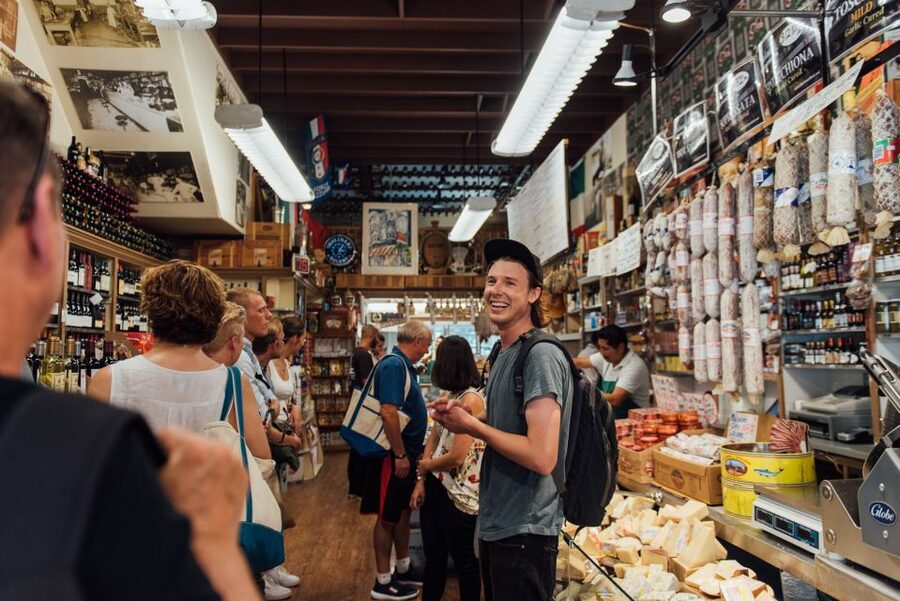
You begin in the Financial District, at Mark Twain Alley, tucked behind the Transamerica Pyramid Redwood Park. The guide meets you by the park entrance, off Sansome Street between Clay and Washington Street. It’s a smart start point because you’re already in a place people often rush through, before the tour slows down and shows you what’s hidden close by.
Right away, you learn about the Transamerica Pyramid itself, including the fact that it’s the second-tallest building in San Francisco. Then you step into Transamerica Redwood Park, which is described as San Francisco’s smallest redwood park, with only a handful of redwood trees. This is the kind of stop I appreciate on food tours: it gives your feet a breather and gives your brain a new reference point, so the rest of the route feels like a guided walk through the city’s layers, not a random string of storefronts.
If you’re the type who likes clear orientation, this opening helps you understand the “why” behind neighborhood names before you taste your way through them.
Financial District to Barbary Coast: Jazz Age Snacks and Red-Light District Stories
From the Financial District, the route heads toward the Barbary Coast, a 19th and early 20th century red-light district known for dance halls, concert saloons, and brothels. The point isn’t to shock you for shock’s sake. It’s to explain how the area’s reputation grew in tandem with major cultural shifts, including the Jazz Age.
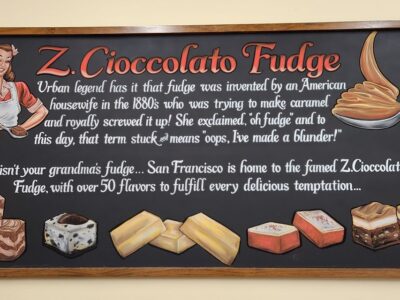
And yes, you eat here. You pause for classic sweets and treats linked to San Francisco’s comfort-food reputation. Expect stops that include Ghiradelli chocolate, saltwater taffy, homemade fudge, and caramel popcorn. This is a good moment to reset your appetite, because the tour later leans heavily into savory bites and heavier sweets.
One practical tip: start thinking about how you’ll pace yourself. You’ll have multiple tastings across multiple neighborhoods, and you’ll likely feel full faster than you expect because they come in different styles, temperatures, and textures. If you try to power through everything in one go, you’ll end up with the last few bites feeling harder to enjoy than the first few.
North Beach, Little Italy: Gold Rush Tales With Italian Pastries, Pizza, and Cheese
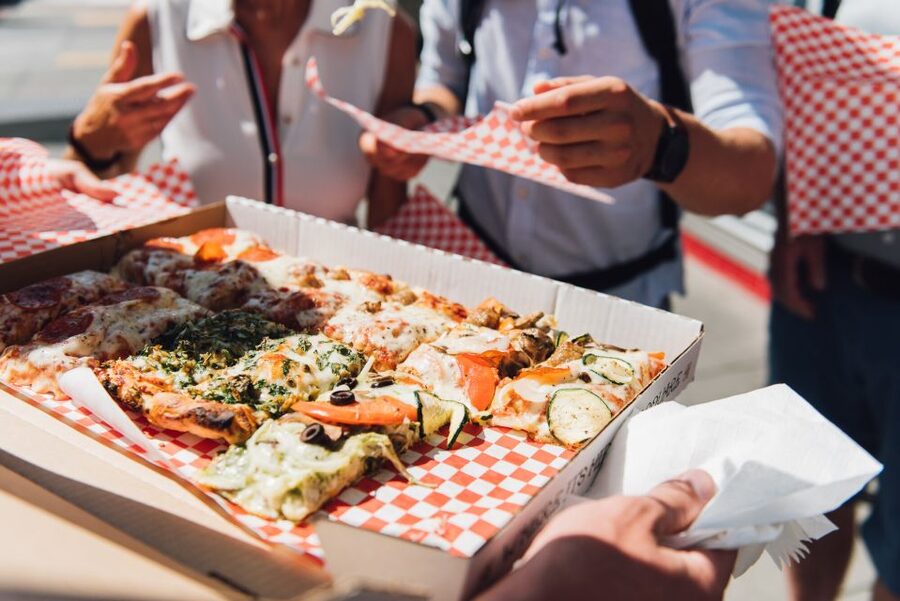
Next comes North Beach, often called Little Italy, and the tour uses this stretch to connect food to San Francisco’s Wild West era. You’ll hear facts and anecdotes tied to the Gold Rush, 1849 in particular, and how the city’s frontier energy shaped daily life and the neighborhoods that followed.
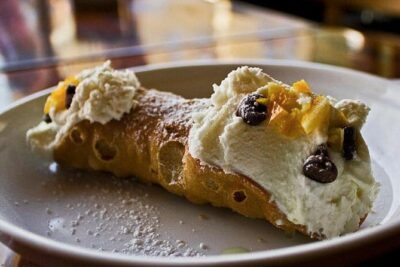
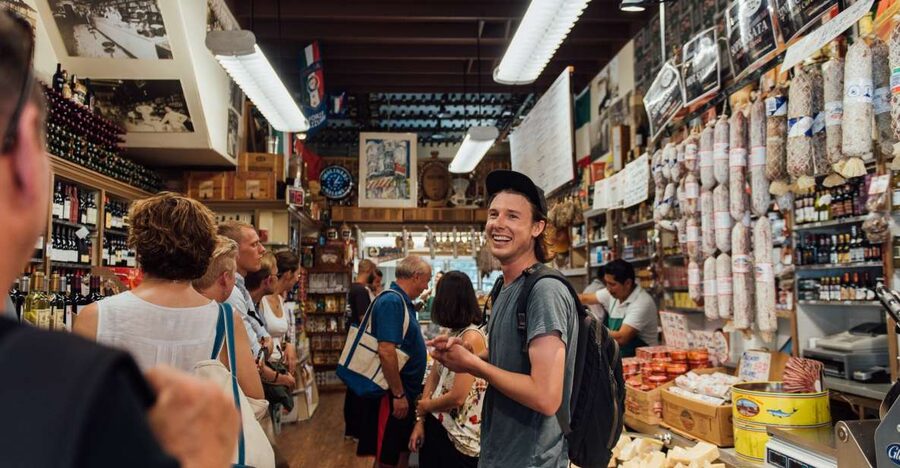
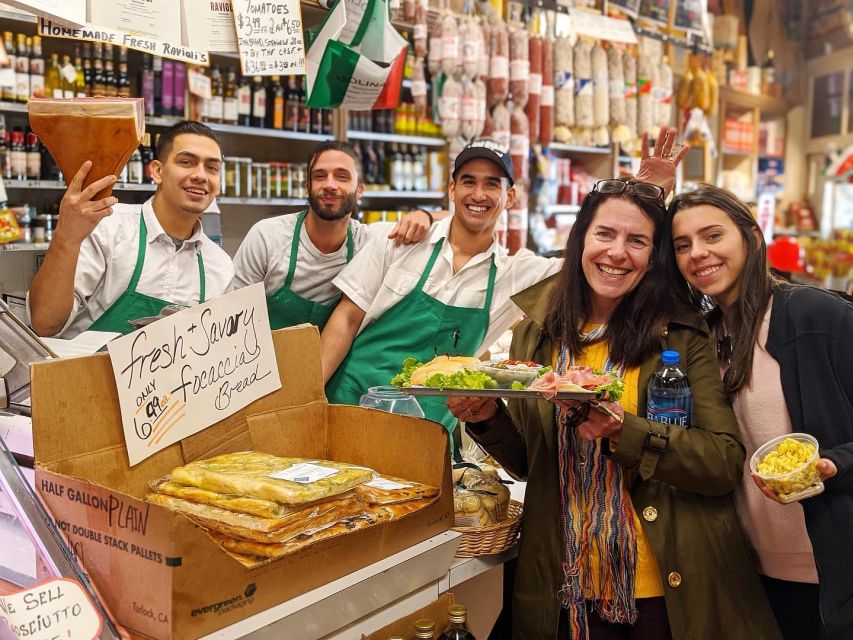
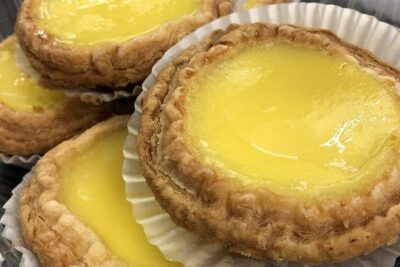
Then the food really moves into Italian comfort territory. You’ll sample Italian pastries, pizza, sandwiches, cakes, antipasto, and aged cheese. This is where the tour earns its “food history” name. You’re not just getting a tasting menu. You’re sampling foods that fit the identity of the area, then getting story context for why that identity became part of the city’s character.
I like that there are multiple stops within North Beach, because it prevents the feeling that everything is happening at one restaurant counter. It also keeps the walking interesting, with frequent changes in street vibe and storefront type. You’ll also have time to chat with local business owners during these segments, which adds texture beyond a standard script.
If you have dietary limits, this is the section where you’ll want to pay close attention to what you’re offered. The tour promises a lot of variety, but it does not suggest customization in the details you’re given.
Chinatown Street Food Flow: Dim Sum, Shops, and Fortune Cookie Factory Energy
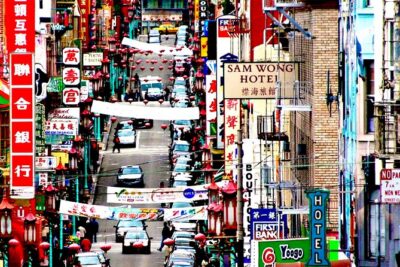
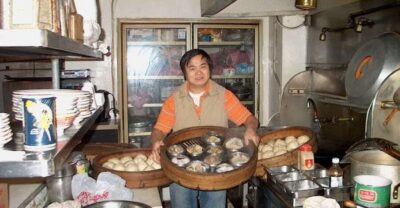
Chinatown is next, and the tour treats it like an active food district, not a museum. You’ll wander among shops and street food vendors, and you get to sample dim sum in the middle of the action. This is one of the most memorable parts for people who love trying things they would not order on their own, because dim sum is broad, flexible, and often meant for sharing.
You also get time for the shops, which matters because Chinatown in particular is a shopping corridor where people come for ingredients, snacks, and souvenirs that reflect everyday use. The tour balances food moments with just enough wandering so you can connect what you’re tasting to what you see for sale.
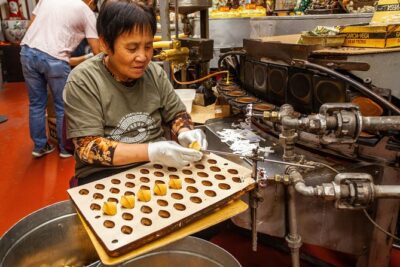
The finale is especially fun if you like hands-on experiences. You visit The Golden Gate Fortune Cookie Factory, learn about the factory’s history, and then try a fresh fortune cookie. This stop takes the abstract idea of fortune cookies and turns it into something you can watch and taste in real time.
If you’re bringing home snacks, this is also the part where the extra food matters. Several past experiences note that people ended up with more to take away than they planned, because the tastings stack up quickly. If you want that option, keep an extra bag in your daypack.
Espresso, poetry and old Italian kitchens nearby
Food Tasting Reality: What 15+ Bites Actually Feels Like
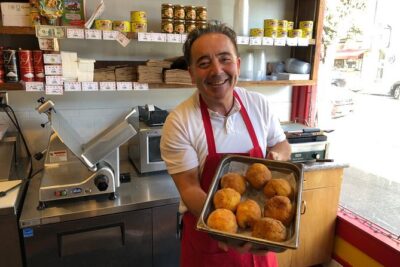
The tour highlights include sampling over 15 different foods, including pastries, sandwiches, and sweets, plus savory snacks. Water is included, and you’ll receive a map, which helps you keep track of where you are when the streets start blending together.
In a tour like this, the biggest difference between a good and a great experience is portion timing. Here, tastings are broken up across multiple neighborhoods, so you taste in chunks rather than one massive hit. Still, plan for the fact that you’ll eat a lot. By the time you reach Chinatown, you may feel like you’ve already had dessert once, twice, and a small meal disguised as snacks.
What I’d recommend you do before you go:
- Eat a light breakfast or a snack beforehand, not a full heavy meal
- Bring comfortable shoes and expect steady walking for the full 270 minutes
- Pace your water sips so you can keep tasting without getting slowed down
Also, since you’ll be stopping at multiple shops and food counters, the tour is best when you’re open to trying a variety of flavors and textures. If you only want one style of food, the variety can feel like work instead of fun.
Price and Timing: Is $99 Worth a 4.5-Hour Walk?
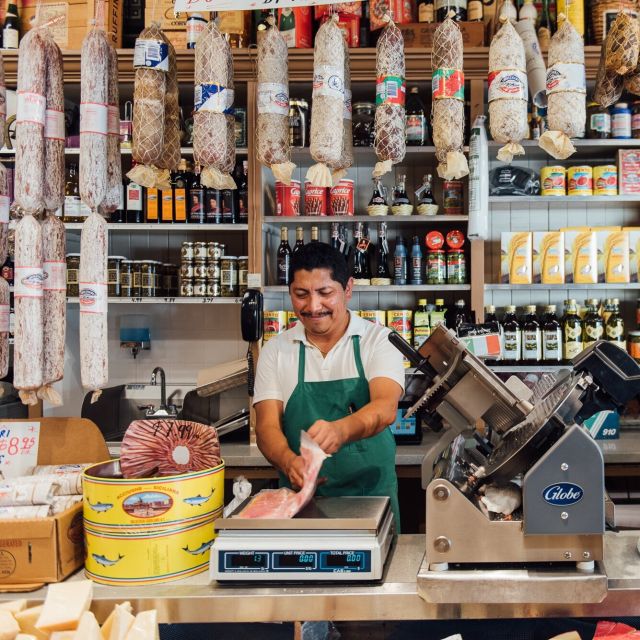
At $99 per person for 270 minutes, you’re paying for a guided route, entry tickets where needed, water, a map, and, most importantly, a structured sequence of food tastings across several neighborhoods. This isn’t just a meal. It’s multiple tasting moments plus history framing, plus a guide who can explain what you’re seeing on the street.
So how do you judge value? Look at what you get:
- You sample 15+ different foods, including both sweet and savory items
- You visit specific neighborhood landmarks, like Transamerica Redwood Park
- You get a fortune cookie factory stop, not just street wandering
- You travel through Financial District, Barbary Coast, North Beach, and Chinatown in one continuous route
For many people, the biggest payoff is not only the food, it’s the advice layer. Past experiences specifically praise the guide’s enthusiasm and local connections, including one guide named Stuart, who grew up in San Francisco and brings a lot of everyday-city perspective into the stories. That matters because you’ll leave with better ideas for where to eat, what to order, and what neighborhoods to explore next.
This tour is also a great length for a first-time visit. If you schedule it early, you get an immediate guide to what kinds of food to prioritize afterward, and you can spot neighborhood cues more easily on subsequent days.
The Main Tradeoffs: Walking Pace and Food Preferences
This tour is designed as a walking experience, with multiple neighborhood transitions and several tasting stops. That’s great for building momentum and keeping the day from feeling slow, but it does mean you need to commit to being on your feet.
The other tradeoff is food style. You are sampling a curated mix that includes dim sum in Chinatown and Italian classics in North Beach, along with multiple sweets in the Barbary Coast segment. If you dislike one category, you might still have other tastings, but you cannot steer the full menu based on the details provided.
There’s also no mention of a vegetarian or allergy-focused alternative in the information you have here. If you have serious allergies or strict dietary needs, it would be smart to check with the operator before booking, so you know what’s realistic for your situation.
On the positive side, it is a small group capped at 10, and the tour is wheelchair accessible, with a live English-speaking guide. Those details matter for comfort and pacing.
Should You Book the San Francisco North Beach and Chinatown Food History Tour?
I think you should book this tour if you want a single, guided way to understand San Francisco through two of its most distinctive neighborhoods, with food as the anchor. It’s especially appealing if you like local personality in your guides and you want real tastings across sweet and savory categories, not just one stop with a big meal.
Skip it if you have limited walking tolerance, or if you know you only want to eat a narrow set of foods. Also, consider scheduling: because the tastings stack up, it’s a better fit when you’re not planning a long food-heavy day afterward.
One more practical note: the booking info gives you flexibility, with free cancellation up to 24 hours in advance and a reserve-now, pay-later option. That makes it easier to fit into a changing itinerary.
If your goal is to leave with a map of both places and flavors, this one is a strong way to do it.
FAQ
How long is the San Francisco North Beach & Chinatown Food History Tour?
The tour lasts 270 minutes, about 4.5 hours.
What does it cost?
It costs $99 per person.
Where do I meet the guide?
Meet at Mark Twain Alley, located behind the Transamerica Pyramid Redwood Park. The guide will be in front of the park entrance, off of Sansome Street between Clay and Washington Street.
What is included in the tour?
The tour includes a guide, water, a map, entry tickets, and food tastings.
Is the tour wheelchair accessible and how many people are in the group?
Yes, it is wheelchair accessible. It is a small group limited to 10 participants.
What language is the tour guide?
The tour guide speaks English.
Eat Across San Francisco
- San Francisco Authentic Food Tour with 5 Locals Favorites Dishes★ 5.0 · 852 reviews
- San Francisco: Chinatown Culinary Walking Tour★ 4.8 · 265 reviews
- San Francisco: North Beach and Little Italy Food Tour★ 4.8 · 188 reviews
- Mission District Food Tour: Appetizers, Entrée and Dessert★ 5.0 · 182 reviews
- Exclusive North Beach Food Tour in San Francisco★ 5.0 · 162 reviews
- SF’s Chinatown: Tea & Dim Sum Food Tour – Includes full meal, 3hr★ 5.0 · 153 reviews
Coffee, Poetry and North Beach
- North Beach & Little Italy Walking Tour: Food, History & Flavor★ 5.0 · 1,044 reviews
- San Francisco: North Beach and Little Italy Food Tour★ 4.8 · 188 reviews
- Exclusive North Beach Food Tour in San Francisco★ 5.0 · 162 reviews
- San Francisco: Food Walking Tour of Chinatown & North Beach★ 4.8 · 148 reviews
- San Francisco North Beach & Chinatown Food Tour with 5 Tastings★ 5.0 · 137 reviews
- North Beach Food Tasting and Cultural Walking Tour★ 5.0 · 66 reviews
Through Chinatown’s Alleys and Kitchens
- Chinatown & North BeachLittle Italy: 7 Tastings & History★ 5.0 · 1,070 reviews
- Ghost Hunt in SF Chinatown with a Professional Investigator★ 5.0 · 922 reviews
- San Francisco Chinatown Walking Tour★ 5.0 · 778 reviews
- Chinatown Walking Tour: Food, History & Flavor★ 5.0 · 575 reviews
- San Francisco: Chinatown Culinary Walking Tour★ 4.8 · 265 reviews
- SF’s Chinatown: Tea & Dim Sum Food Tour – Includes full meal, 3hr★ 5.0 · 153 reviews
Fresh arrivals for a San Francisco itinerary
- San Francisco: Tour De San Francisco (Electric Bike Tour)
★ 4.7 · 3 reviews - Private Exploration of the Birds of San Francisco
★ 5.0 · 4 reviews - Zion, Bryce, Antelope, Grand Canyon, Las Vegas 6-Day Tour from SF
★ 5.0 · 3 reviews - Private Tour of Yosemite a Two Day Exploration
★ 5.0 · 4 reviews - The Presidio: Main Post to the Golden Gate Bridge
★ 5.0 · 3 reviews - Alcatraz Island Tour with San Francisco Bay Tour
★ 3.5 · 4 reviews
More ways into Chinatown Food & Heritage Walks
 ★ 5.0Chinatown & North BeachLittle Italy: 7 Tastings & HistoryFrom $961,070 reviews
 ★ 5.0Ghost Hunt in SF Chinatown with a Professional InvestigatorFrom $55922 reviews
 ★ 5.0San Francisco Chinatown Walking TourFrom $59778 reviews
 ★ 5.0Chinatown Walking Tour: Food, History & FlavorFrom $86575 reviews
 ★ 4.8Chinatown Culinary Walking TourFrom $84265 reviews
 ★ 5.0SF’s Chinatown: Tea & Dim Sum Food Tour – Includes full meal, 3hrFrom $99153 reviews
 ★ 4.8Food Walking Tour of Chinatown & North BeachFrom $94148 reviews
 ★ 5.0San Francisco Chinatown Food TourFrom $99138 reviews
Try another angle on the same itinerary