
REVIEW · SAN FRANCISCO
San Francisco: The Art of Crabbing in the Bay Area
Crabbing on the Bay feels like a mini-adventure. I like that the lesson is hands-on and that you get the full kit, so you can focus on learning instead of guessing what gear you need. The only real drawback is that the catch is not guaranteed, since crabbing depends on effort, patience, and luck.
This is a great fit if you want something fun that is also practical, with instructors who will help you sort out the gear and the process. I also like that the class includes the rule side, so you learn how to do this West Coast pastime the right way. Just go in knowing it is an educational experience, not a promise of crab in your bucket.
You’ll spend 3 hours learning how to set up your equipment and reel in a potential catch, with everything supplied. The price is $55 per person, and since food and drinks are not included, you may want to plan around that before or after.
Key things you will notice during the class
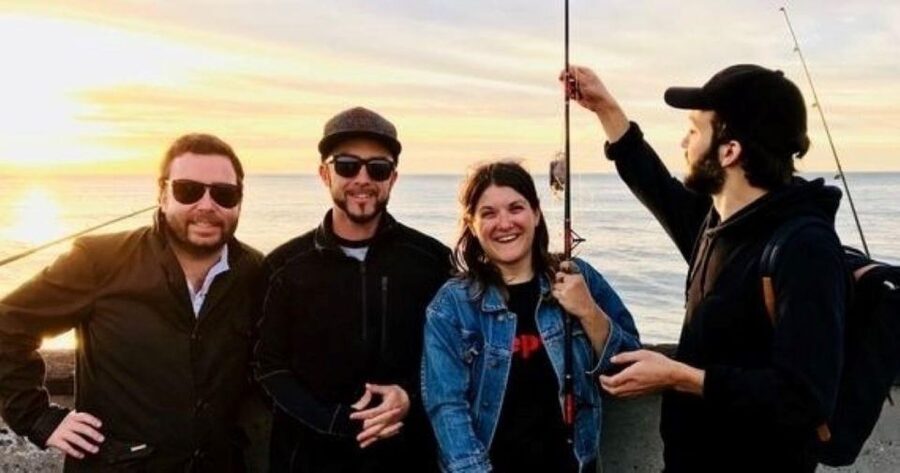
- Complete gear provided, including rod and reel, snares, nets, bait, weights, and line
- Step-by-step instruction on setup, casting methods, and how to work the snare and net
- A regulation and measuring focus, with a crab measuring gauge included
- A realistic approach to success, teaching skills while acknowledging catch depends on conditions
- Helpful, clear guidance that answers questions and supports you as you go
Why a crabbing class is better than a solo shoreline attempt
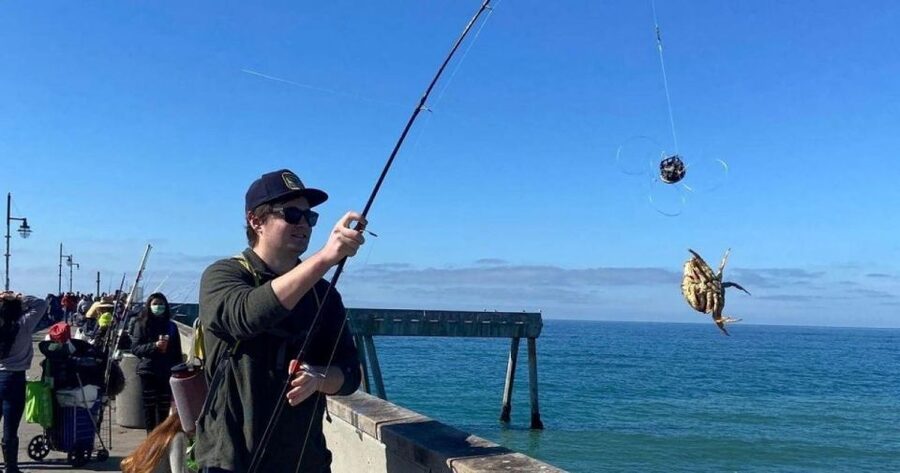
If you have ever tried crabbing without training, you already know the frustration. You can do everything “by feel,” and still end up with a messy setup and zero idea what to improve. In a class like this, you start with the basics and build confidence fast.
I also like that this is set up as a proper lesson, not a vague walkthrough. You learn the practical sequence, from getting your equipment ready to using it effectively. That matters because crabbing is part technique, part timing, and part patience, and the learning curve is real.
Finally, it is a fun activity you can share with a mixed group. It is described as suitable for all ages, which usually means the teaching style is clear and the pace is manageable. If you want a Bay experience that is playful but still grounded in real skills, this is a strong option.
The 3-hour flow: setup, practice, and learning how to think like a crabber
You are working within a 3-hour instructed class, which is long enough to get past the “what do I do now?” stage. The structure is built around learning the basics and putting them into action, step by step.
Early on, expect a focus on getting your equipment configured correctly. You’ll be taught how to work with the rod and reel setup you are given, and how the snare and net fit into the process. The goal is simple: get your gear ready in a way that makes sense before you rely on luck.
Then you move into using techniques, including casting methods. This is where instruction becomes especially useful, because small changes in handling and timing can make a big difference in how your bait is presented. You are also taught the idea of effort and patience, which is crabbing’s version of “the work is the reward,” even when the catch is slow.
By the end, you should feel like you understand the logic of the activity. You will not just be copying motions, you’ll know why you are doing them. That is the kind of skill that sticks, even after the class is over.
What you learn: techniques, casting methods, and local regulations

Crabbing is fun, but rules are part of the deal. In this class, you get instruction that includes regulations and a practical approach to using the right tools correctly.
One of the most valuable parts for beginners is that you learn how to use the equipment as intended, not as a guess. That includes technique basics and casting methods, plus how to handle the gear without turning it into a tangled mess.
You also get a crab measuring gauge, which signals a real emphasis on doing things by the rules. Measuring is not just paperwork theater. It is how you keep the activity aligned with local requirements and help avoid the common mistake of keeping the wrong size.
If you care about learning responsibly, this regulation-and-measurement piece is a big deal. It is also what turns a “fun outing” into a learning experience you can repeat later with better habits.
Gear included: why the included kit boosts your odds and your confidence
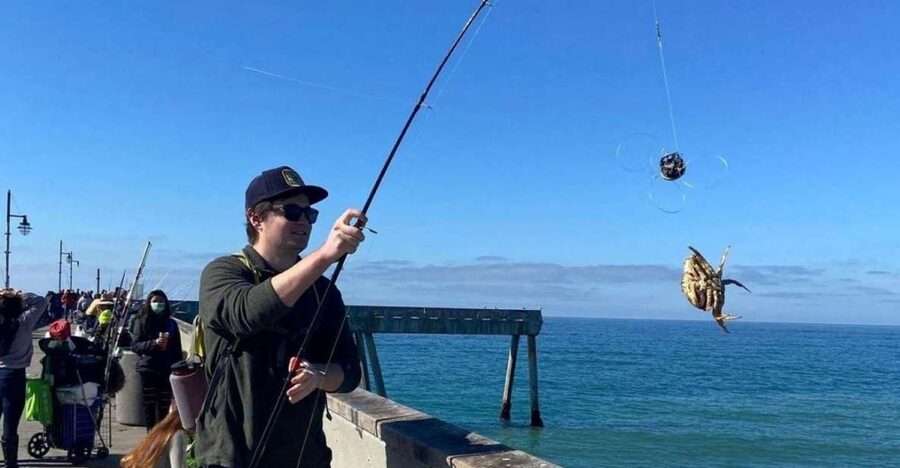
Most people fail at crabbing because they are missing something, using the wrong setup, or spending the whole time troubleshooting gear. Here, you avoid that headache because the equipment is provided.
You get 1 rod & reel per person and 1 snare per guest, plus a crab net, bait, weights, and key tackle like snap swivels. The line is also specified: 35 lb test mono line. That is useful because you are not trying to match unknown gear with unknown expectations.
You do not have to bring your own bait, either, which removes another common “I forgot the one thing” problem. For beginners, having the exact gear ready to go is what lets the lesson focus on technique instead of procurement.
Practical tip for your mindset: use the gear exactly as taught. When everything is new, the fastest way to learn is to follow the setup sequence and then make small adjustments only after you understand what the instructor is optimizing for.
The real talk on catching crab: skills matter, but luck is part of it
This is the part people sometimes do not say out loud. Even with good instruction, crabbing success is not guaranteed. The class is upfront about that, and it is honestly the most responsible way to frame it.
Catching crab depends on factors like effort, patience, and luck. That means you can leave feeling like you learned a lot, even if the outcome is modest. The value is in the learning process and the technique improvements you walk away with.
I like how this approach removes pressure. If you go expecting certainty, disappointment is easy. If you go expecting skill-building, you are more likely to enjoy yourself and take the experience seriously in a good way.
So treat it as an education with a chance of a catch, not a vending machine. You are there to learn how to improve your odds, and the class is built to teach exactly that.
Price and value: is $55 a fair deal for a beginner class?
At $55 per person for 3 hours, the price makes sense if you value instruction plus a full kit. The equipment is not an afterthought. You get rod and reel, snares, net, bait, weights, line, snap swivels, and a measuring gauge.
For most people, the hidden cost in crabbing is figuring out what to buy and how to use it. This class removes that uncertainty. You pay for guided learning and the gear to practice the steps correctly from the start.
Also, the class is described as fun and educational, suitable for all ages. That usually means you are not locked into an overly technical vibe. You can show up as a beginner and still expect your questions to be answered.
If you already own every piece of gear and you are confident in regulations, you might not need a class. But if you want a structured, supported start in the Bay Area crabbing world, this looks like good value.
Who should book this crabbing lesson?
I think this class is ideal if you are visiting San Francisco and want a distinctly Bay Area activity that is not just sitting and sightseeing. Crabbing is a local pastime, and learning it properly adds a layer to the trip that feels hands-on and memorable.
It also suits families and mixed-age groups. The teaching style is clearly built to help people get there step by step, and the feedback emphasizes guides who are willing to help and answer questions.
If you enjoy outdoor activities that mix skill with chance, you’ll probably have a good time. Just remember, the lesson is also about learning and regulations, so it is not only about the catch.
If you hate any uncertainty, this might be a tougher sell. Crabbing can be unpredictable, and the class is honest about that. But if you can enjoy the learning and the experience of being on the Bay, you are likely to leave happier.
What the instructors do well (and why it matters)
The standout praise is consistent: the hosts and instructors are willing to help, and they explain procedures clearly. That is not a small thing, especially when you are holding unfamiliar equipment for the first time.
Clear explanations reduce wasted effort. Instead of struggling through setup mistakes, you can spend your time practicing the techniques you are actually learning. That improves both your experience and your chances of success.
Another practical win is that they provide the tools you need. When you have everything on hand, you can focus on technique and timing rather than worrying about missing gear, wrong supplies, or last-minute buys.
In short, the class seems built for people who want guidance, not just access to equipment.
Should you book this San Francisco Bay crabbing class?
Book it if you want a beginner-friendly way to learn crabbing with the full kit provided, and you appreciate instruction that includes regulations and measuring. At $55 for a 3-hour class, it is a sensible way to try the activity without spending time and money figuring out gear on your own.
Skip it if you are only interested in a guaranteed catch. The class is clear that success depends on effort, patience, and luck, so you need to be okay with the possibility of a learning-focused outing.
If you want a hands-on Bay experience that balances fun with real technique, this one is worth your attention.
FAQ
How long is the crabbing class in the San Francisco Bay Area?
The class lasts 3 hours.
How much does the experience cost?
The price is $55 per person.
What equipment is included?
You get 1 rod and reel per person, 1 snare per guest, plus a crab net, bait, weights, a crab measuring gauge, 35 lb test mono line, and a snap swivel.
Is food or drinks included?
No, food and drinks are not included.
Is a catch guaranteed?
No. Catching crab depends on factors like effort, patience, and luck, and the experience focuses on teaching skills rather than guaranteeing results.
What language is the tour guide or instruction provided in?
Instruction is available in English.
Can I cancel and get a refund?
Yes. Free cancellation is available up to 24 hours in advance for a full refund.